
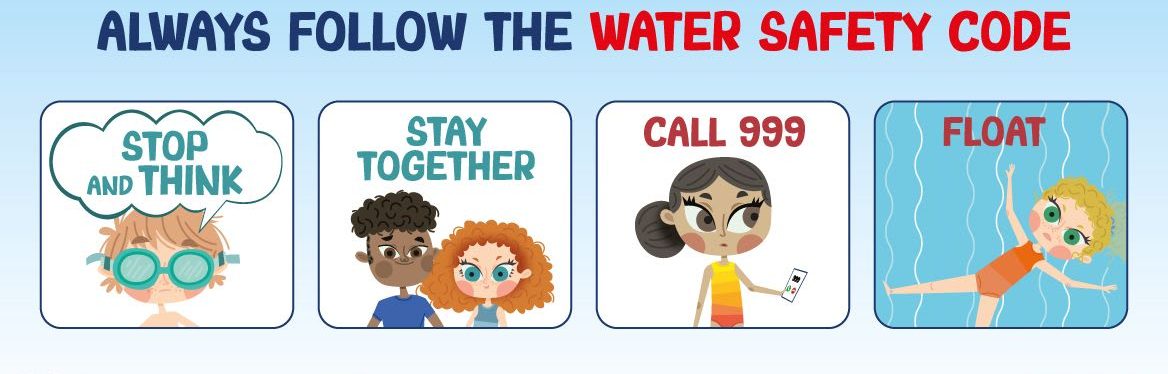
The Water Safety Code
Simple Steps to Help You Stay Safer Around Water
Water can be a great place to swim, exercise and enjoy time outdoors, but conditions can change quickly and hazards are not always obvious.
The Water Safety Code provides simple guidance to help people recognise risks, make safer choices around water and understand what to do if an emergency happens.
Whether you're visiting a swimming pool, river, lake, reservoir or the coast, knowing the basic principles of water safety can help you prepare before getting into difficulty.
Explore the Water Safety Code below and learn how simple decisions can help keep you and others safer around water.
Stop and Think
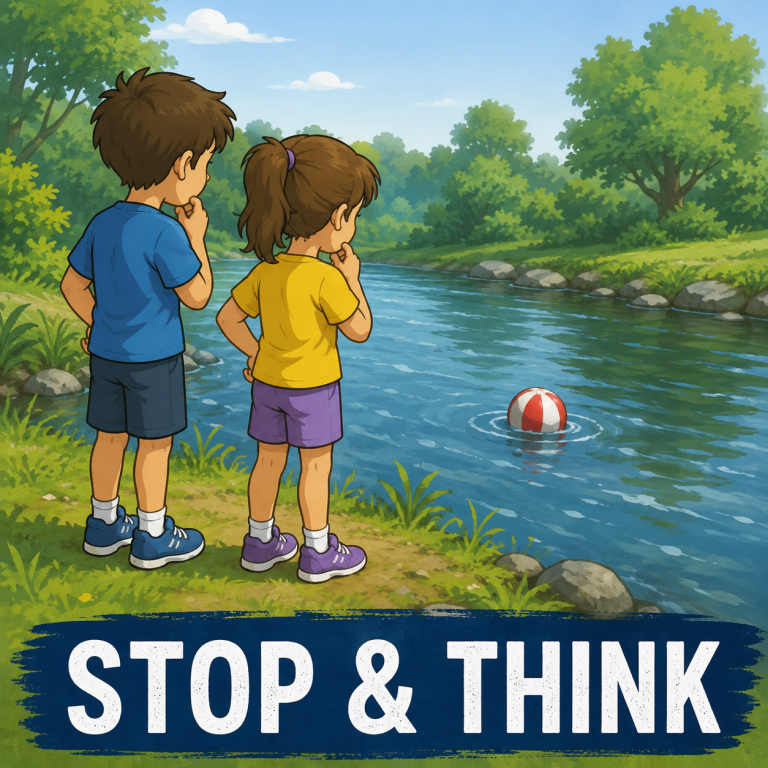
Before entering any water, stop for a moment and look around. Taking a few seconds to assess the area can help you spot dangers before they become emergencies.
Ask yourself:
- Is the water safe to enter?
- Are there any hidden hazards beneath the surface?
- Is there a qualified lifeguard on duty?
- What are the weather and water conditions like?
- Is there a safe place to get out of the water?
- Do you know how deep the water is?
- Are you a confident enough swimmer for these conditions?
- Does everyone in your group know where they are going?
- Do you have a way to call for help if something goes wrong?
💡 Practical Tip
Before anyone enters the water, take a few minutes to look around together. Check for safety signs, depth markers, rescue equipment, lifeguard locations and the safest place to enter and exit the water. If you're visiting somewhere new, don't assume it's safe just because other people are there.
🧠 Did You Know?
According to the latest UK water safety data, almost one in three accidental drowning fatalities happened during everyday activities such as walking or running. Many of the people who lost their lives never intended to enter the water. A simple slip, trip or fall can quickly become an emergency, which is why taking a moment to stop, think and assess your surroundings is one of the most important steps in staying safe around water.

Stay Together
Whether you're swimming at a pool, visiting the beach, or exploring rivers and lakes, never go into or near the water alone.
Staying together means there is someone who can help, call 999, or alert a lifeguard if an emergency happens. If someone gets into difficulty in the water, every second counts.
Water Safety for Children
Children should always be actively supervised around water, even when qualified lifeguards are present. Lifeguards provide an important layer of safety, but parents and carers remain responsible for supervising their children.
Young children should stay within arm's reach when they are in or near the water. Older children should always let an adult know where they are going and avoid swimming without friends or family.
Water Safety for Everyone
- Never swim alone.
- Stay where others can see you.
- Agree on a meeting point if you become separated.
- Keep an eye on each other, especially in unfamiliar environments.
- If someone goes missing near the water, act immediately and call for help.
Being together doesn't just make your day more enjoyable—it could save a life.
💡 ELS Water Safety Tip & Did You Know?
Before you arrive, agree on a meeting point and make sure everyone knows who they are staying with. Keep an eye on each other, especially around open water. If someone leaves the group or goes missing near the water, act immediately—don't assume someone else knows where they are.
Did you know? Many drowning incidents happen quickly and often without shouting or splashing. If you're alone, there may be nobody to recognise you're in difficulty or call for help. Staying together means someone can raise the alarm, direct the emergency services to your location and assist safely until help arrives.
Float to live
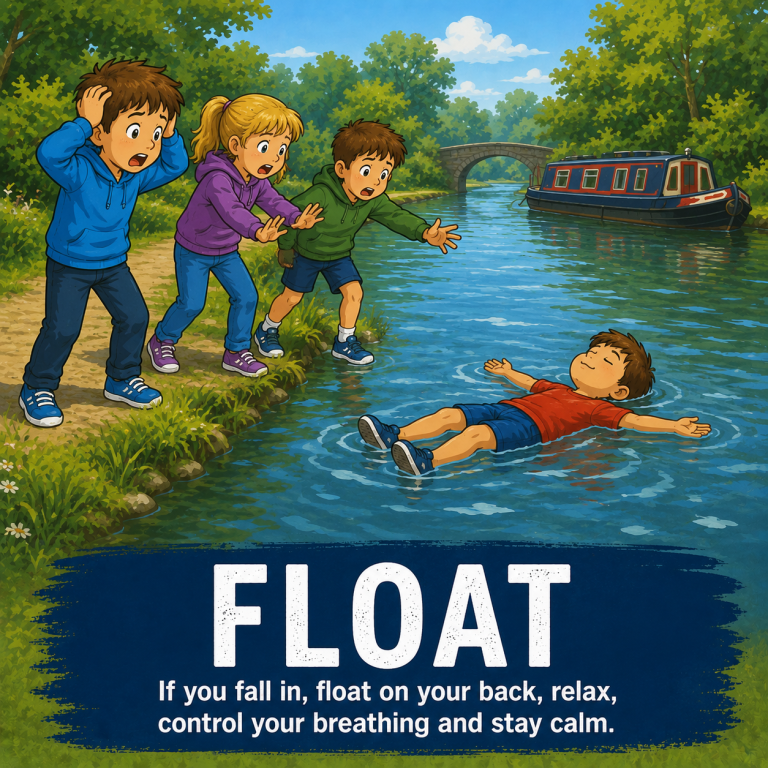
If you unexpectedly find yourself in difficulty in the water, don't try to swim straight away. Your first priority is to stay calm and regain control of your breathing.
Floating can help you conserve energy, reduce panic and increase your chances of survival until you can call for help or safely make your way to the shore.
To float:
- Tilt your head back with your ears in the water.
- Relax your body and try to stay calm.
- Spread your arms and legs to help you stay balanced.
- Control your breathing by taking slow, steady breaths.
- Once your breathing is under control, call for help or look for the safest way to get out of the water.
- Remember, everyone floats differently. It may take a few moments for your body to settle, so don't panic if you don't float immediately.
💡 ELS Water Safety Tip & Did You Know?
The best time to learn how to Float to Live is before you ever need it.
Practise floating in a supervised swimming pool with a qualified instructor or lifeguard.
Remember: Everyone floats differently. Some people float easily, while others may find it takes a little longer to settle into a floating position. Don't panic if you don't float straight away—relax, control your breathing and give your body time to adjust.
Did you know? Cold water shock is one of the body's natural responses to sudden immersion in cold water. The first minute can be the most dangerous, as rapid breathing and panic increase the risk of drowning. Floating and controlling your breathing can significantly improve your chances of survival.
Call 999
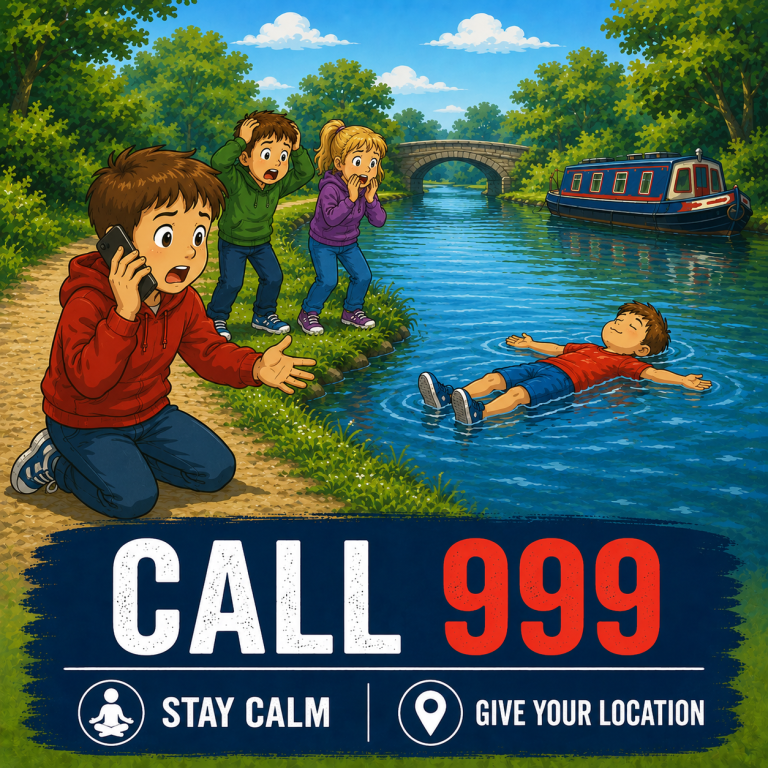
If you see someone in difficulty in the water, stay calm and call 999 immediately. Calling early allows the emergency services to begin responding while you continue to help from a place of safety.
Who should you ask for?
- At the coast or in the sea: Ask for the Coastguard.
- At a river, lake, canal or other inland water: Ask for Fire and Rescue.
- At a swimming pool: Alert the lifeguard immediately. If there is no lifeguard, call 999 and ask for an ambulance if required.
Give the Right Information
When speaking to the emergency operator, try to provide:
- Your exact location.
- What has happened.
- How many people are involved.
- Whether the casualty is in the water or has been rescued.
- Any immediate dangers, such as fast-flowing water or strong currents.
If you know your what3words location, tell it to the emergency operator. It can help emergency services find you more quickly, especially in remote areas where there may not be a clear address.
Help Without Putting Yourself at Risk
Remember the lifesaving advice:
Call. Tell. Throw.
- Call 999 immediately.
- Tell others nearby so they can help.
- Throw a lifebuoy, throw bag, rope or any object that floats if it is safe to do so.
Never enter the water to attempt a rescue unless you have the appropriate training, equipment and a safe rescue plan. One casualty can quickly become two.
💡 ELS Water Safety Tip & Did You Know?
Save the what3words app on your phone before you need it. It provides a simple way to communicate your exact location to the emergency services, particularly at beaches, rivers, lakes and other remote locations.
Did you know? Every emergency call is important, but giving an accurate location is one of the most valuable pieces of information you can provide. Knowing where an incident is happening allows emergency services to reach the casualty as quickly as possible, helping to save valuable time when every second counts.

Elite Lifesaving Skills
Explore our practical lifesaving, first aid, workplace safety and water safety training across London and Essex.
Explore More from Elite Lifesaving Skills
Secondary Drowning: Facts & Advice
Learn what people mean by “secondary drowning”, what symptoms following a water incident may require attention, and when to seek medical help.
Float to Live
Unexpectedly entering cold or deep water can quickly become dangerous. Learn the RNLI's Float to Live advice and what to do if you find yourself struggling in the water.