
Heatwave Water Safety
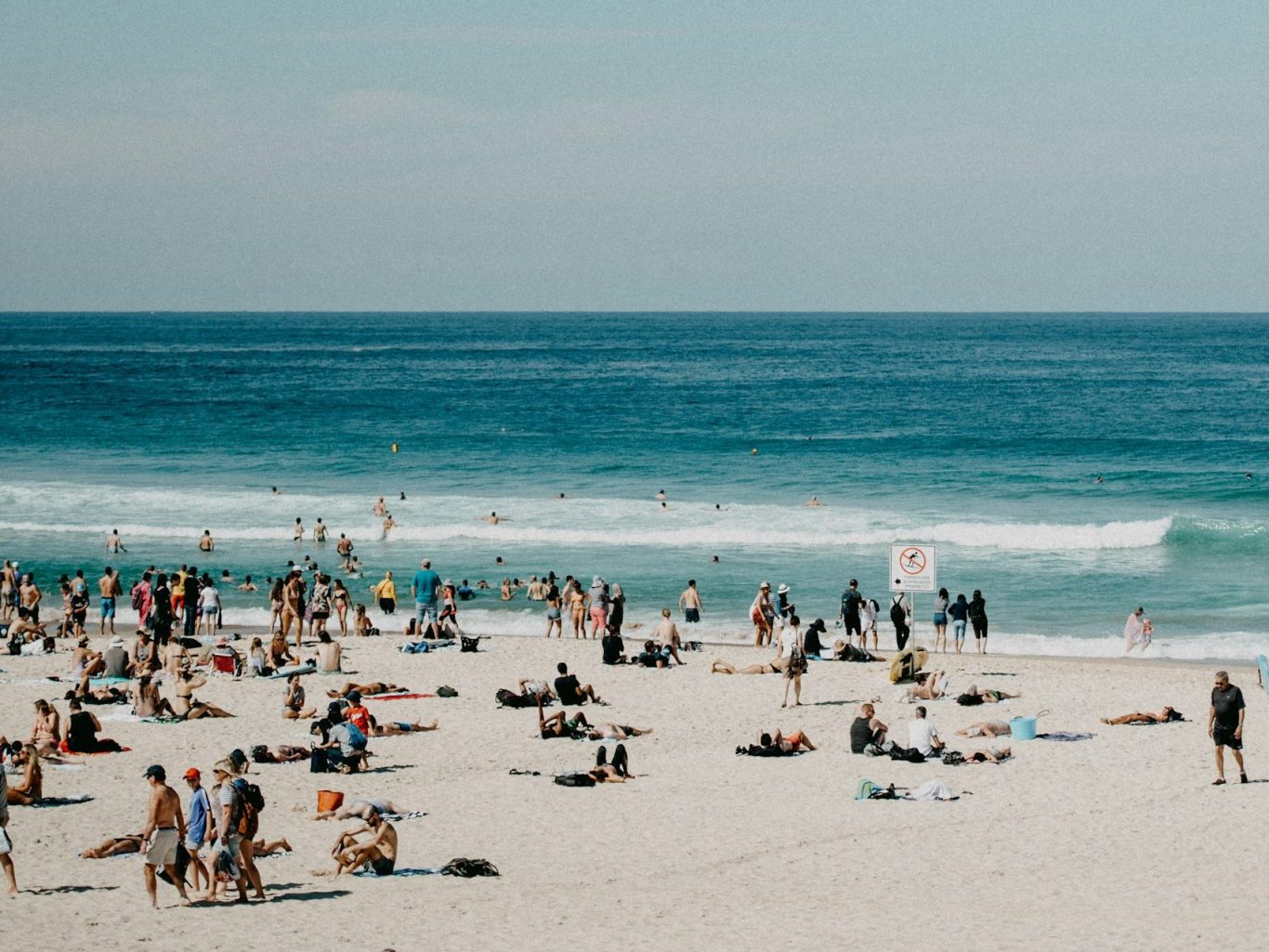
Every summer, as temperatures rise and the school holidays begin, more families head to beaches, rivers, lakes and swimming pools to cool off.
Unfortunately, warmer weather also brings a significant increase in water-related incidents. Hot air does not mean warm or safe water, and many people underestimate the dangers of cold water shock and open water swimming.
Child Supervision
Children can get into difficulty quickly and often without making a sound.
- Always keep young children within arm's reach.
- Never rely on inflatables or armbands alone.
- Empty paddling pools after use.
- Stay focused and avoid distractions such as mobile phones.
Act Now: Choose Safe Places to Swim!
- Swim at lifeguarded beaches whenever possible.
- Use designated open water swimming areas.
- Avoid canals, reservoirs and quarries.
- Never jump or dive into unknown water.
Heatwave Water Safety Fact
Research has found that when average UK temperatures reach 25°C or higher, the risk of accidental drowning increases fivefold compared with days averaging 10°C. There are also around three times as many accidental drowning fatalities on these hotter days compared with the seasonal average.
Did you know?
Even during a heatwave, many rivers, lakes and reservoirs remain below 16°C, which is cold enough to trigger cold water shock
Remember
Air temperature and water temperature are often very different. Even on hot summer days, cold water can cause an involuntary gasp reflex and cold water shock.
How to Stay Safe During a Heatwave
Hot weather can encourage people to take risks around water. Whether you're visiting the beach, a river, a lake or your local swimming pool, planning ahead and making sensible decisions can help prevent accidents
Be Aware of Cold Water Shock
Even on a hot day, the water can still be dangerously cold.
If you unexpectedly enter cold water:
- Fight the instinct to panic.
- Float to Live.
- Control your breathing.
- Remember, everybody floats differently.
Protect Yourself From the Heat
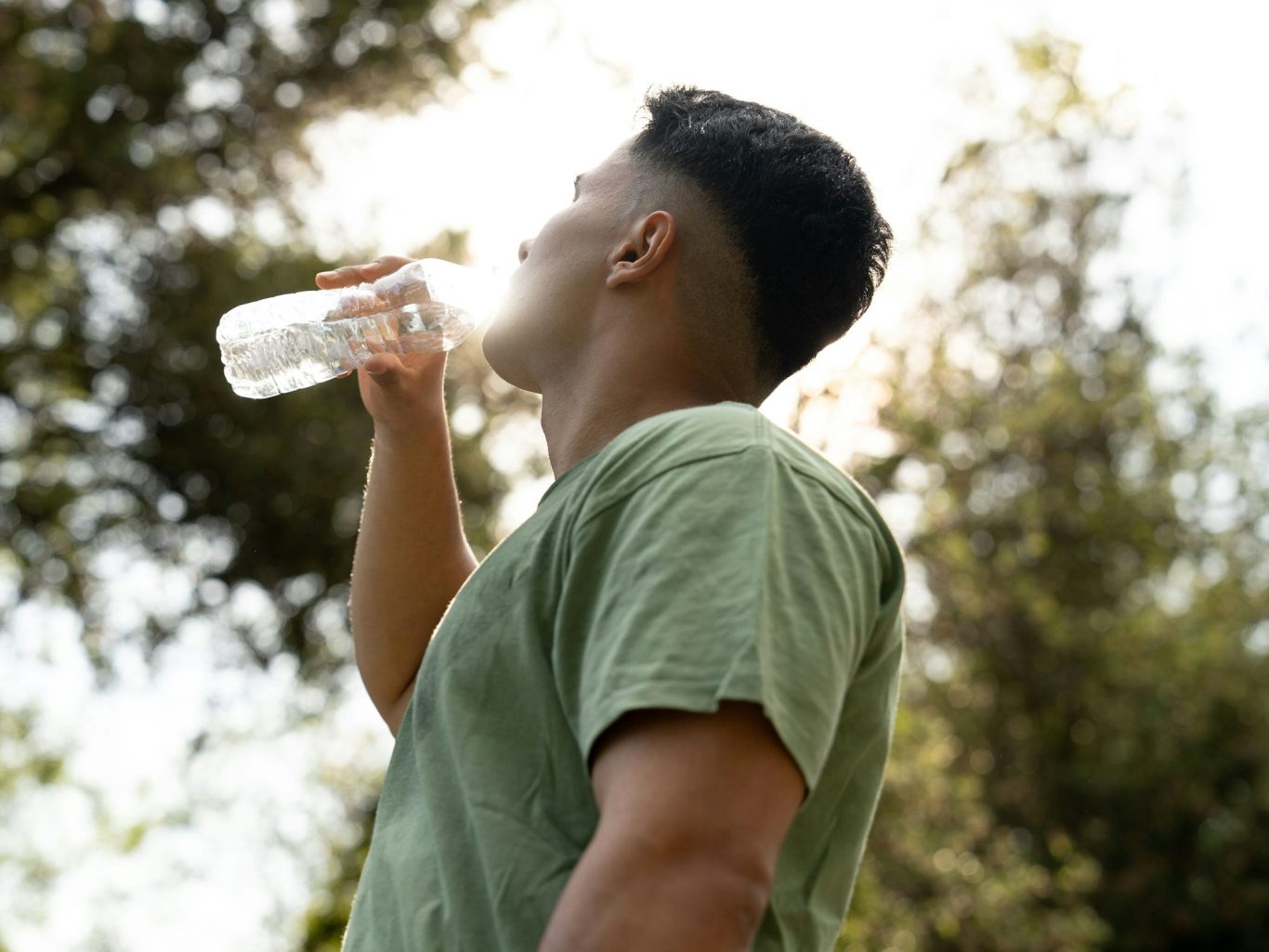
- Drink plenty of water throughout the day.
- Wear sunscreen and reapply regularly.
- Wear a hat and lightweight clothing.
- Take regular breaks in the shade.
- Avoid strenuous activity during the hottest part of the day.
Avoid Alcohol Around Water
Alcohol affects your judgement, balance and reaction times.
If you are planning to swim or take part in water activities, avoid drinking alcohol beforehand.
Know How to Get Help
If someone gets into difficulty:
- Call 999 immediately.
- At the coast, ask for the Coastguard.
- Tell the emergency services your exact location.
- Use What3Words if available.
- Never put yourself at risk by entering the water unless you are trained and it is safe to do so.

Elite Lifesaving Skills
Explore our practical lifesaving, first aid, workplace safety and water safety training across London and Essex.
Explore More from Elite Lifesaving Skills
Secondary Drowning: Facts & Advice
Learn what people mean by “secondary drowning”, what symptoms following a water incident may require attention, and when to seek medical help.
Float to Live
Unexpectedly entering cold or deep water can quickly become dangerous. Learn the RNLI's Float to Live advice and what to do if you find yourself struggling in the water.