
What Is a Reservoir? Are They Safe? | Water Safety Hub
Reservoirs are in the news—but do you know what they really are?
With drought conditions affecting much of the UK and reservoir levels making national headlines, many people are asking the same questions:
- What is a reservoir?
- Are reservoirs safe?
- Can you swim in one?
- Why are they so low?
Although reservoirs often look like peaceful lakes, they are very different and can hide serious dangers. Understanding how they work is an important step in staying safe around open water. Reservoir levels across England and Wales are currently well below seasonal averages following prolonged hot, dry weather.
What Is a Reservoir?
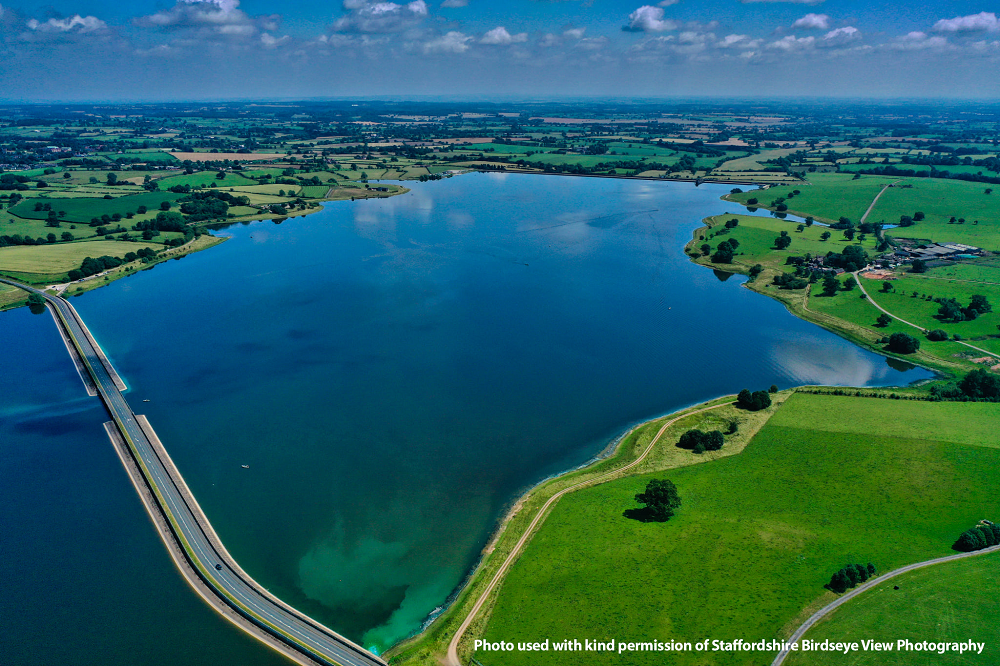
A reservoir is a man-made lake built to store fresh water for homes, businesses, farming and industry.
Most reservoirs are created by building a dam across a valley, allowing rainwater and river water to collect before it is treated and supplied as drinking water.
They play a vital role in providing clean water across the UK.
Is a Reservoir the Same as a Lake?
No.
A natural lake forms naturally over time, while a reservoir is built and managed by people to store water.
Reservoirs may also contain dams, towers, pumps and other water management equipment that you would not normally find in a natural lake.
Why Are Reservoirs Dangerous?
Although they often look calm, reservoirs can be extremely dangerous.
Some of the hidden risks include:
- 🥶 Cold water shock
- 🌊 Deep water
- 🌪️ Underwater currents
- 🪨 Steep, slippery banks
- 🚫 Few safe exit points
- 🌿 Hidden underwater hazards
These dangers can make it difficult for even strong swimmers to get out safely.
Can You Swim in a Reservoir?
Most reservoirs do not allow swimming because of the risks involved.
Some reservoirs have organised water sports run by approved clubs, but entering the water outside these areas can be extremely dangerous.
Always follow local signs and never assume it is safe to swim.
Why Are Reservoirs So Low?
The UK has experienced one of its driest periods in recent years.
With less rainfall and increased demand for water, reservoir levels have fallen across many parts of the country. Water companies are encouraging people to use water wisely while reservoirs recover.
How Do Reservoirs Refill?
Reservoirs refill gradually through:
- 🌧️ Rainfall
- 🏞️ Rivers and streams
- 🌊 Water flowing from surrounding land
It usually takes weeks or even months of wetter weather to restore reservoir levels after a drought.
Frequently Asked Questions
Why are reservoirs so deep?
Reservoirs are built deep to store large amounts of water, helping provide reliable supplies during dry weather.
Can fish live in reservoirs?
Yes. Many reservoirs are home to fish such as trout, perch, pike and carp.
Can you walk around a reservoir?
Many reservoirs have public footpaths, but some have restricted access. Always follow local signs.
Who owns reservoirs in the UK?
Most are owned by water companies, while others are managed by local authorities or organisations such as the Canal & River Trust.
Why is the water so cold?
Reservoirs are often very deep, so the water remains cold throughout the year. Cold water can quickly lead to cold water shock.
Are reservoirs dangerous for dogs?
Yes. Steep banks, deep water and hidden hazards can make it difficult for dogs to get out safely.
Can reservoirs dry up?
Not usually. Water levels may fall during droughts, but reservoirs normally refill through rainfall and rivers over time.
Staying Safe Around Reservoirs
If you're visiting a reservoir:
✅ Stay on marked paths.
✅ Follow all warning signs.
✅ Supervise children at all times.
✅ Never enter the water where swimming is prohibited.
✅ Call 999 immediately if someone is in difficulty.
Water Safety Starts Before You Reach the Water
Reservoirs are an important part of the UK's water supply, but they should always be treated with respect.
Learning about the risks, following local safety advice and making informed decisions can help prevent accidents before they happen.
Continue Learning
You may also enjoy:
- Cold Water Shock
- Float to Live
- Open Water Safety
- Secondary Drowning
- Water Safety Advice & Official Guidance
The ELS Standard™
At Elite Lifesaving Skills, we believe education is one of the most effective ways to prevent accidents before they happen.
Our Water Safety Hub provides practical, evidence-based advice to help families, schools and businesses stay safe around water.
Contact Elite Lifesaving Skills
We deliver practical First Aid, Lifeguard, Lifesaving and Water Safety education across London and Essex.
Contact us today to find out more.