
What Is a Reservoir? Are They Safe?
Reservoir Quick Facts
- 💧 Stores fresh water for homes and businesses.
- 🏗️ Usually man-made.
- 🌊 Often much deeper than they appear.
- 🥶 Water can remain dangerously cold, even in summer.
- 🚫 Swimming is prohibited at many reservoirs.
- 🚨 Hidden underwater hazards make rescues difficult.
Everything You Need to Know
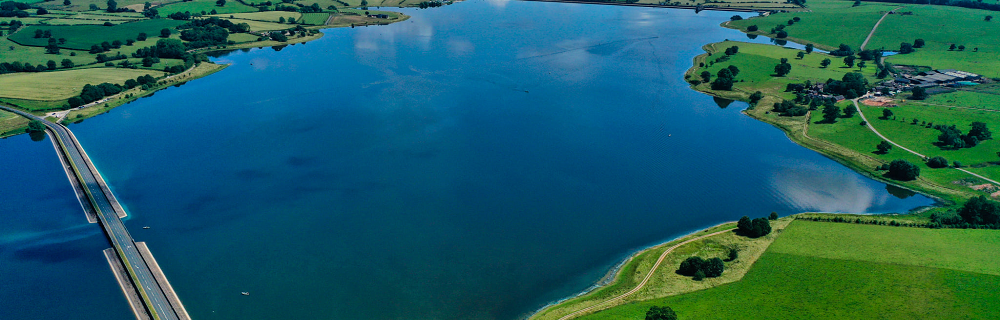
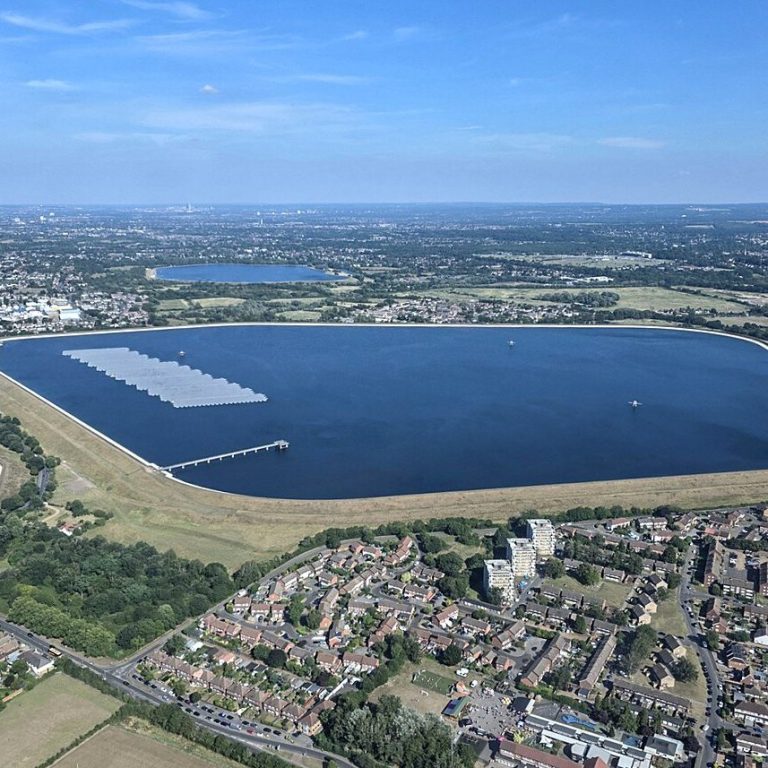
A reservoir is a large body of water designed to store fresh water for homes, businesses, agriculture and industry. While many reservoirs look similar to natural lakes, they are usually man-made and play a vital role in supplying clean drinking water to millions of people across the UK.
Water companies use reservoirs to collect rainfall and river water, storing it so it can be treated and supplied through our taps throughout the year.
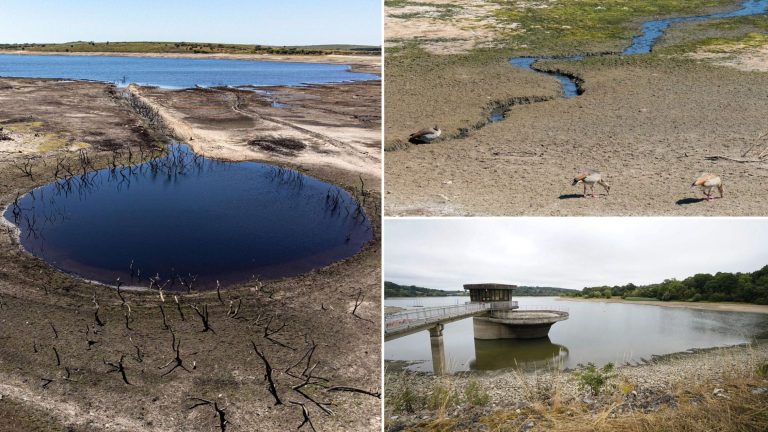
With much of England currently experiencing drought conditions, reservoirs have been featured heavily in the news as water levels continue to fall.
Is a Reservoir the Same as a Lake?
No.
Although they may look similar, there are important differences.
Natural Lake
- Formed naturally over thousands of years.
- Usually part of the natural landscape.
- Often used for recreation and wildlife.
Reservoir
- Built by people.
- Designed to store water.
- Often managed by a water company.
- May contain dams, towers, pipes and pumping equipment.
Some reservoirs allow organised activities such as sailing or paddle sports, while many prohibit swimming entirely.
Why Are Reservoirs Dangerous?
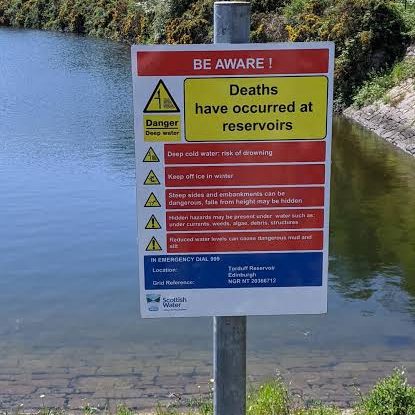
Although they often appear calm and inviting, reservoirs can be far more dangerous than they look.
- Hidden hazards include:
- Cold water shock, even during hot weather.
- Sudden changes in water depth.
- Underwater currents around outlet structures.
- Steep, slippery banks.
- Very few safe exit points.
- Hidden underwater obstacles.
Large reservoirs can also become extremely windy, creating waves that make swimming even more dangerous.
Why Are Reservoirs So Low?
The UK has experienced prolonged periods of hot, dry weather, resulting in reduced rainfall and increased demand for water.
As more water is used by homes, businesses and agriculture, reservoir levels naturally fall.
This is why water companies sometimes introduce hosepipe restrictions during extended dry periods.
How Do Reservoirs Refill?
Reservoirs don't refill overnight.
Most refill gradually through:
🌧️ Rainfall
🏞️ Rivers flowing into the reservoir
🌊 Catchment areas collecting water from surrounding land
Winter is usually when reservoirs recover most, as rainfall is generally higher and water demand is lower.
One heavy storm is rarely enough to restore reservoir levels after a prolonged drought.

Myth vs Fact
Myth: A reservoir is just a large lake.
Fact: Although they can look similar, reservoirs are usually man-made and designed to store drinking water.
Myth: If it's hot outside, the water will be warm.
Fact: Reservoirs often remain cold enough to cause cold water shock, even during a heatwave.
What Should You Do Around a Reservoir?
If you're visiting a reservoir:
✅ Stay on marked paths.
✅ Follow all warning signs.
✅ Supervise children at all times.
✅ Never enter the water unless activities are officially permitted.
✅ Keep dogs under control near steep banks.
✅ In an emergency, call 999 immediately and ask for the appropriate emergency service.
Water Safety Starts Before You Reach the Water
Every year, people underestimate the dangers of open water.
Reservoirs may appear calm, but hidden hazards can quickly turn a day out into an emergency.
Understanding the risks is one of the simplest ways to stay safe.
Continue Learning
You may also find these Water Safety Hub articles helpful:
FAQ section
Why are reservoirs so deep?
Reservoirs are built deep to store large amounts of water for homes, businesses and agriculture, helping maintain supplies during dry weather.
Can fish live in reservoirs?
Yes. Many reservoirs contain fish such as trout, perch, pike and carp, supporting healthy aquatic ecosystems.
Can you walk around a reservoir?
Many reservoirs have public footpaths and nature trails, but some have restricted access. Always follow local signs and stay on marked paths.
Can reservoirs dry up?
Reservoirs rarely dry up completely, but water levels can fall during droughts. They usually refill gradually through rainfall and rivers during autumn and winter.

Elite Lifesaving Skills
Explore our practical lifesaving, first aid, workplace safety and water safety training across London and Essex.
Explore More from Elite Lifesaving Skills
The Water Safety Code
Learn the key principles of staying safer around water, including how to recognise hazards, understand your surroundings and know what to do in an emergency.
Float to Live
Unexpectedly entering cold or deep water can quickly become dangerous. Learn the RNLI's Float to Live advice and what to do if you find yourself struggling in the water.