Become a Lifeguard – NPLQ Training
RLSS UK National Pool Lifeguard Qualification (NPLQ)
Start your journey into lifeguarding with practical, professional training designed to prepare you for both the NPLQ assessment and the responsibility of working on poolside.
- Pool Rescue Skills
- Lifeguarding & Pool Supervision
- CPR & First Aid
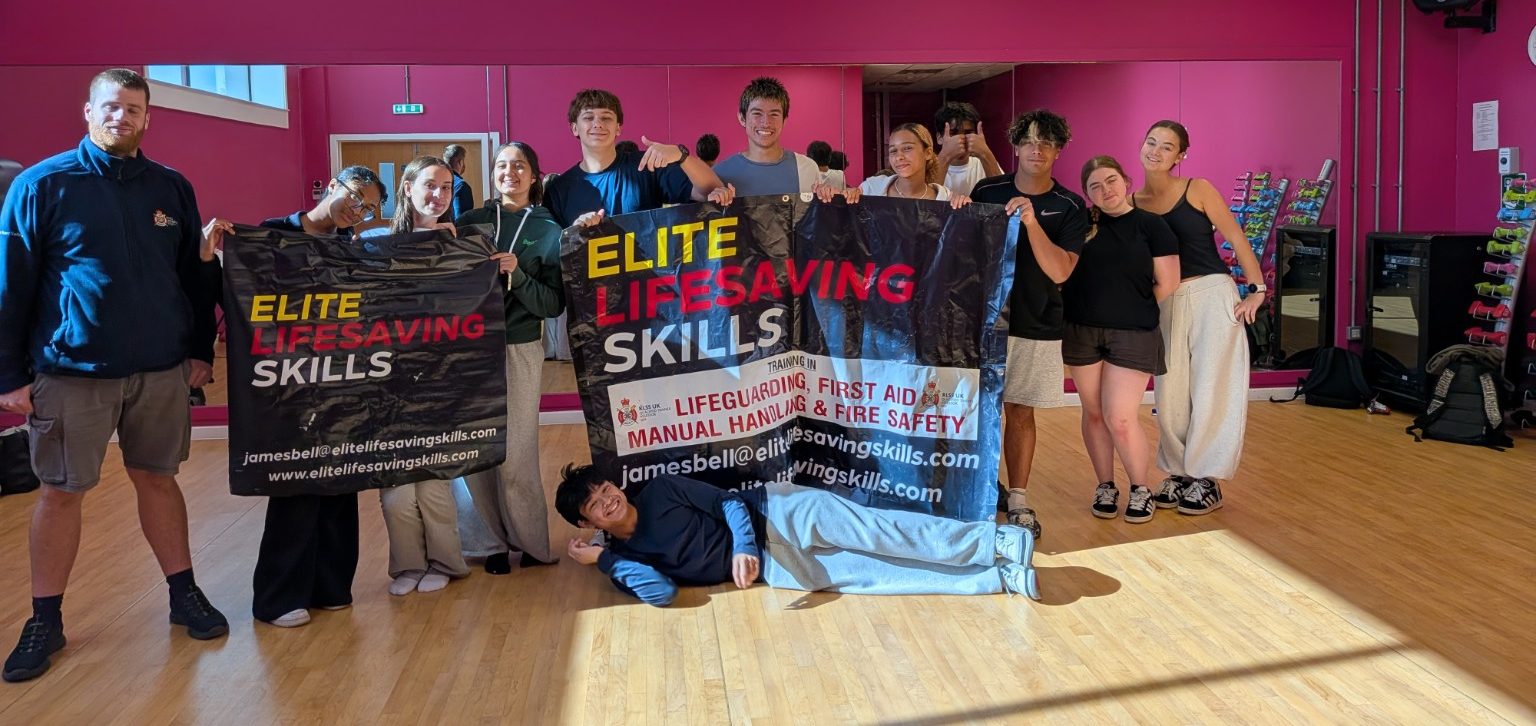
Thinking About Becoming a Lifeguard?
Becoming a lifeguard can be a great way to start working in the leisure industry, gain responsibility and develop skills that can stay with you throughout your career.
Whether you're looking for your first job at 16, flexible work alongside college or university, or the first step towards a career in leisure, the National Pool Lifeguard Qualification (NPLQ) is one of the main routes into professional pool lifeguarding in the UK.
The course is practical and physically demanding. You'll develop skills in pool supervision, casualty recognition, water rescue, CPR and first aid, before completing the final NPLQ assessment. RLSS UK describes the NPLQ as the UK's most awarded pool lifeguard qualification, with more than 40,000 people qualifying each year.
But becoming a good lifeguard is about more than passing an assessment.
At Elite Lifesaving Skills, we want candidates to understand the responsibility of the role, build confidence in their rescue skills and leave training better prepared for their first shift on poolside.
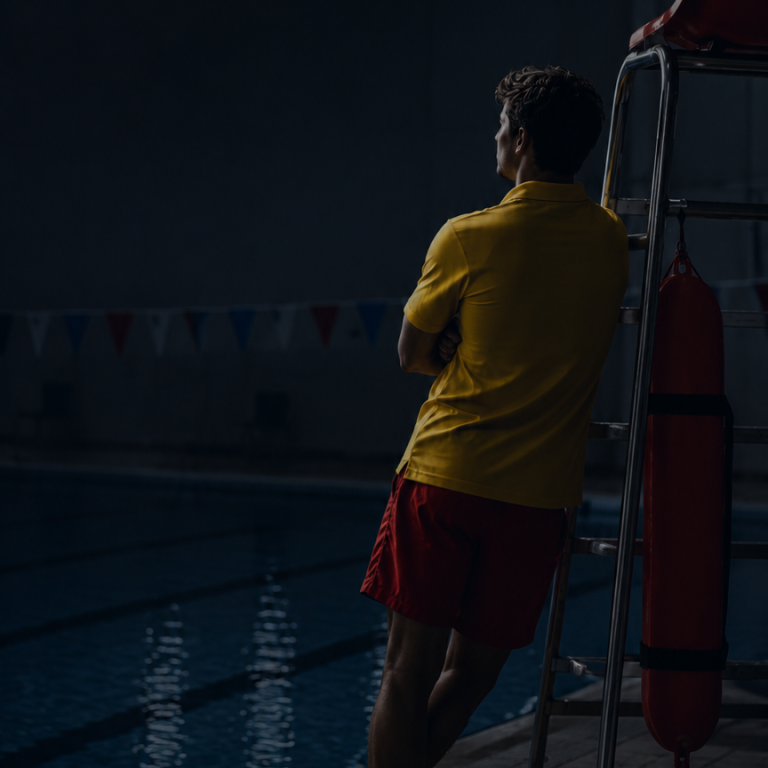
Your First Job
Lifeguarding can provide an entry into the leisure industry from age 16, subject to meeting the qualification requirements and an employer's recruitment requirements..
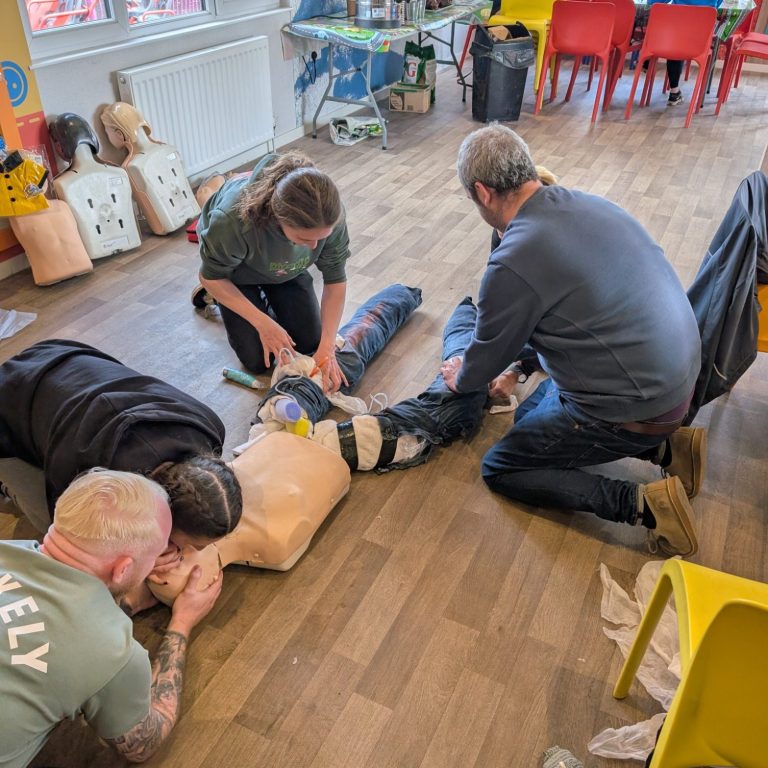
Skills for Life
Develop practical skills in lifeguarding, rescue, CPR and first aid, alongside communication, teamwork and responsibility.
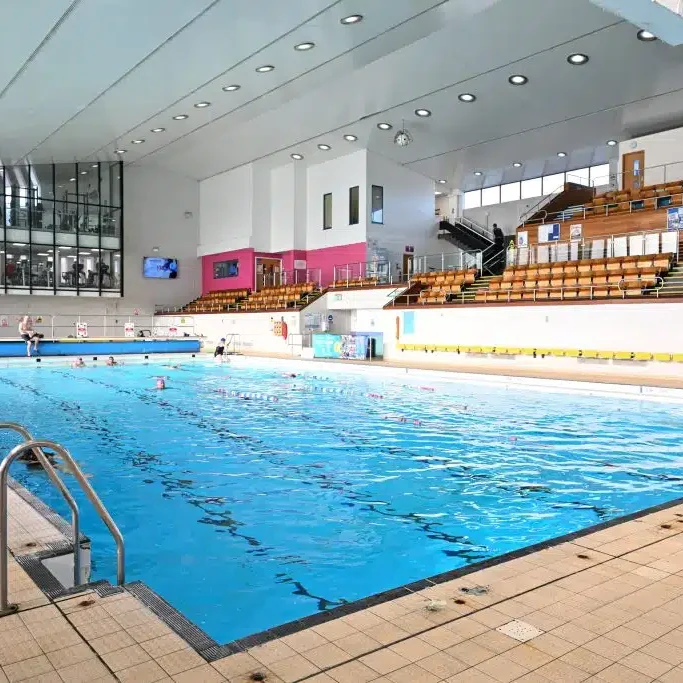
Start Your Career
NPLQ can be the beginning of progression into pool supervision, leisure management and lifesaving training. RLSS UK itself promotes lifeguarding as a stepping stone to wider careers and further qualifications.
From Lifeguard to Trainer — Where ELS Began
Elite Lifesaving Skills started with the same qualification many of our candidates are now working towards — the NPLQ and a job on poolside.
From working as a lifeguard came experience, responsibility and a growing interest in lifesaving, first aid and training. That journey eventually progressed into becoming a trainer and building Elite Lifesaving Skills.
That's why NPLQ training means more to us than simply getting candidates through an assessment.
We know that for someone taking their first lifeguard course, this could be the start of something much bigger. It might begin as a first job or part-time work, but it can develop into a career across leisure, pool management, lifesaving, health and safety or training.
RLSS UK itself describes the NPLQ as a starting point for progression within the leisure industry, with routes including pool supervision, pool management and eventually becoming a Trainer Assessor.
ELS started with a lifeguard qualification. Your NPLQ could be the beginning of your journey too.
What Is the National Pool Lifeguard Qualification (NPLQ)?
The National Pool Lifeguard Qualification (NPLQ) is the UK's leading pool lifeguard qualification and is awarded by RLSS UK Qualifications.
The current NPLQ Generation 10 is formally the RLSS UK Qualifications Level 3 Award in Pool Lifeguarding and is regulated by Ofqual.
NPLQ training combines lifeguarding theory, swimming pool supervision, practical rescue skills, emergency action, CPR, AED and first aid, preparing candidates for the responsibilities of working as a professional pool lifeguard.
The course requires a minimum of 36 hours of training with 100% attendance, followed by assessment.
NPLQ Generation 10
The current NPLQ is made up of three qualification units:
Unit 1: Swimming Pool Safety Operation and Supervision
Unit 2: Pool Lifeguard Emergency Rescue Skills
Unit 3: First Aid, Illness and Injury Management in a Pool Environment
Passing the NPLQ demonstrates that you have successfully completed the required training and assessment — but at ELS, we also want you to understand how those skills relate to the responsibility of actually working on poolside.
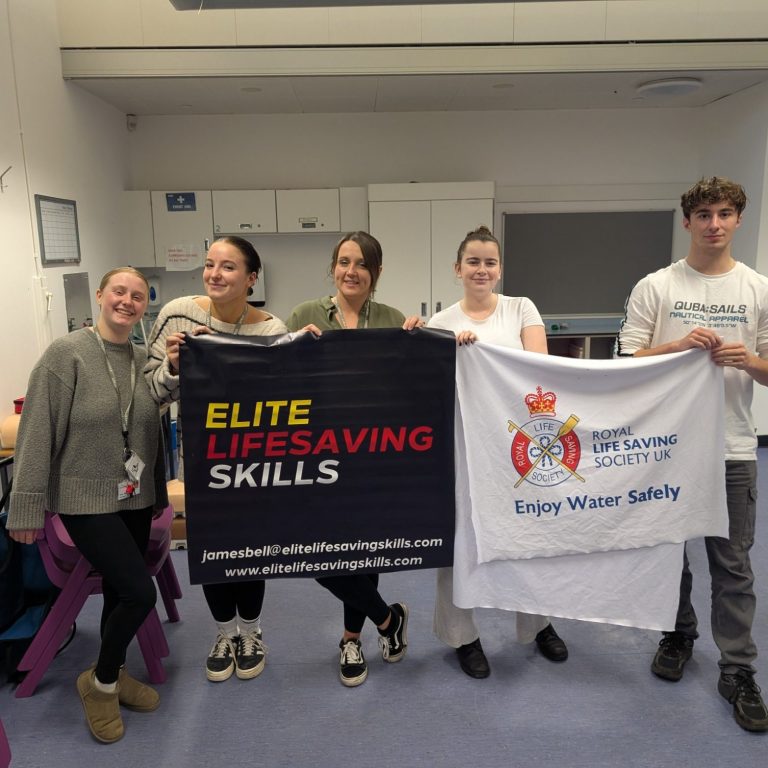
Pool Safety & Supervision
Learn about the lifeguard's role, swimming pool hazards and control measures, effective pool supervision and the responsibilities involved in keeping pool users safe.
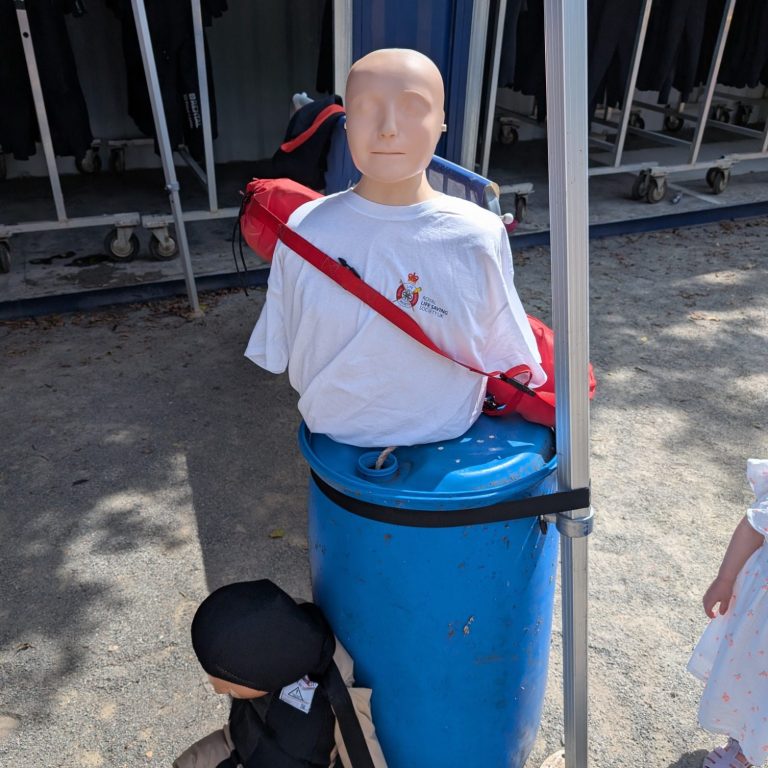
Rescue & Emergency Action
Develop practical intervention and rescue skills, including responding to casualties in the water, suspected spinal injuries and swimming pool emergency situations.

CPR, AED & First Aid
Develop the skills required to respond to medical emergencies, including CPR, use of an AED and first aid within the swimming pool environment.
Can I Take an NPLQ Course?
Before starting your lifeguard training, you'll need to meet the RLSS UK NPLQ course prerequisites.
The NPLQ is a practical and physically demanding qualification, so candidates need a suitable level of swimming ability and water confidence before attending the course.
You must be 16 years old or over at the time of your final NPLQ assessment and be able to complete the following requirements
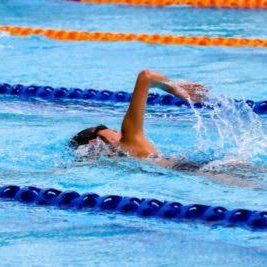
Swim 50 Metres
Swim 50 metres in less than 60 seconds.
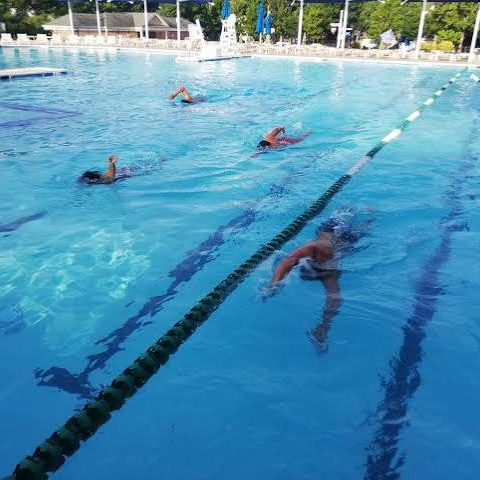
Swim 100 Metres
Swim 100 metres continuously on your front and back.
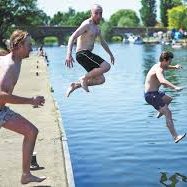
Deep Water Confidence
Be able to jump or dive into deep water and tread water in deep water for 30 seconds.
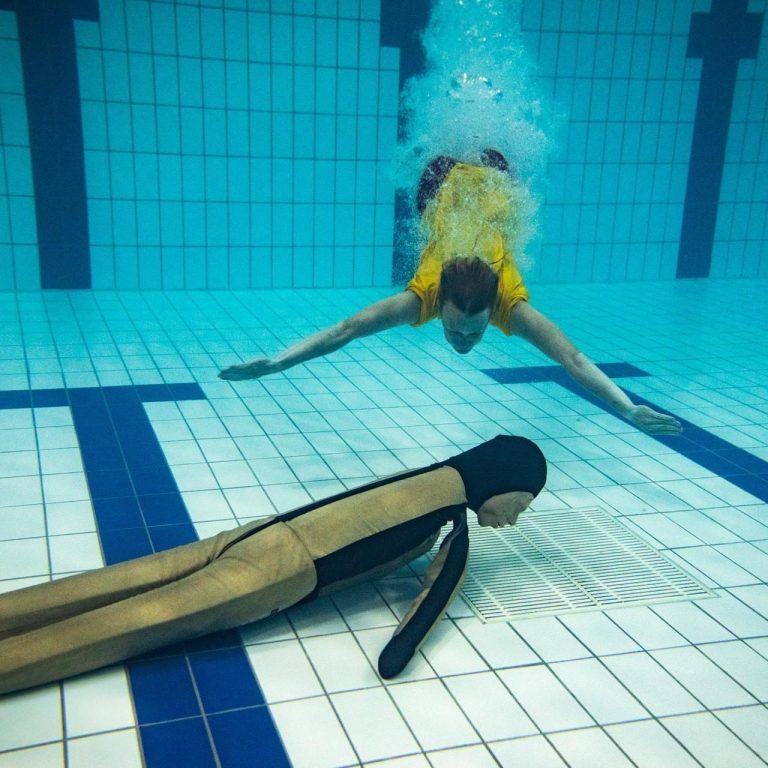
Surface Dive
Be able to surface dive to the floor of the swimming pool.
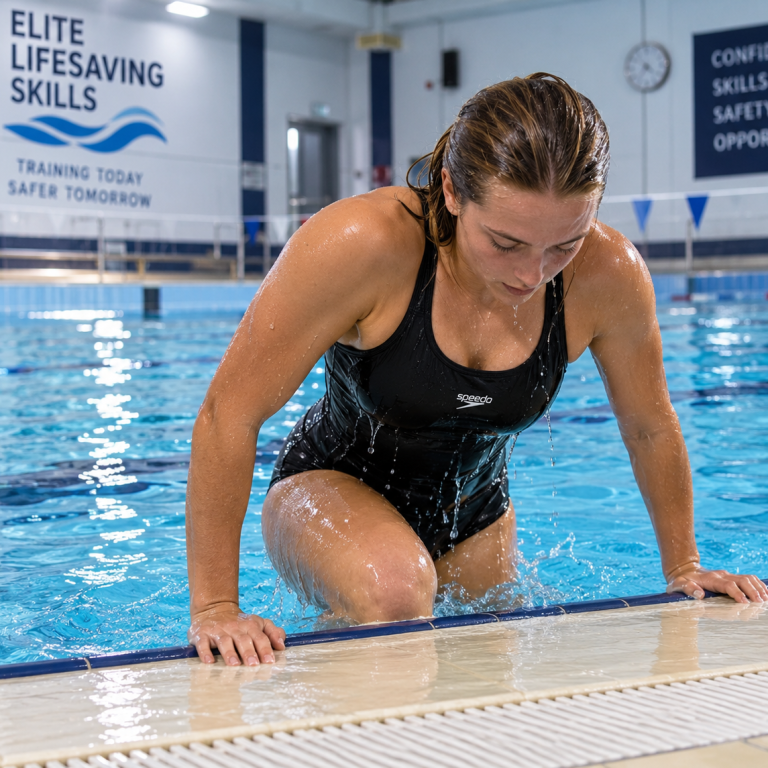
Exit the Pool
Be able to climb out of the pool unaided without using steps or a ladder, where the pool design permits.
What Happens During an NPLQ Lifeguard Course?
NPLQ training is highly practical. Candidates move between classroom learning, poolside supervision, rescue practice and first aid training, building their skills throughout the course.
The NPLQ requires a minimum of 36 hours of training and 100% attendance. It is commonly delivered over several intensive training days before the final assessment.
At ELS, we don't want candidates simply memorising what they need for assessment. You'll repeatedly practise the skills, work with other candidates and learn how different parts of the qualification come together during a real emergency.
Learn to Supervise a Swimming Pool
Develop your understanding of the lifeguard's role, pool hazards, safe supervision, casualty recognition and how to identify when someone may be getting into difficulty.
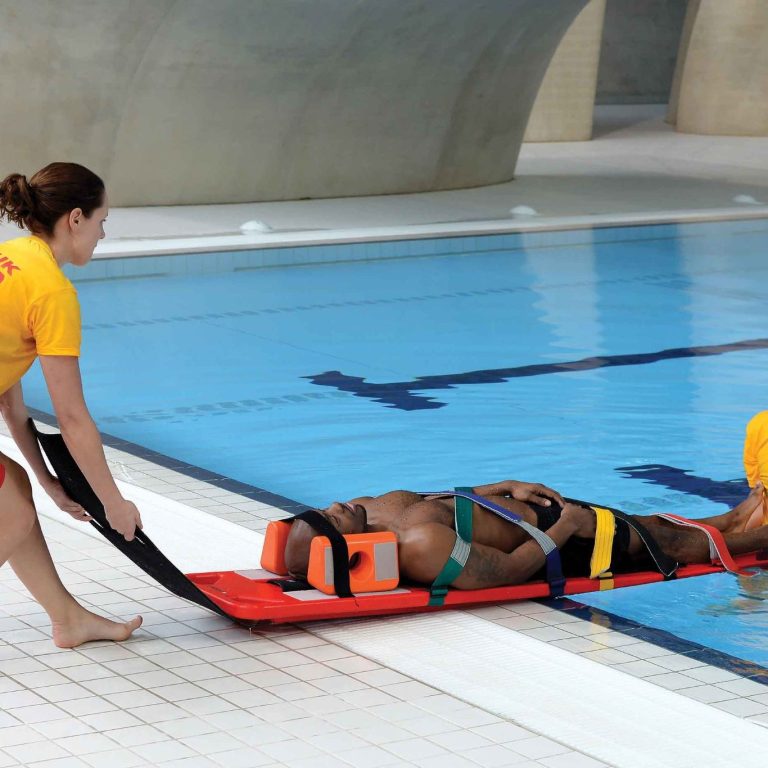
Practise Lifeguard Rescues
Get into the water and develop practical intervention and rescue techniques, including casualty rescues and managing a casualty with a suspected spinal injury
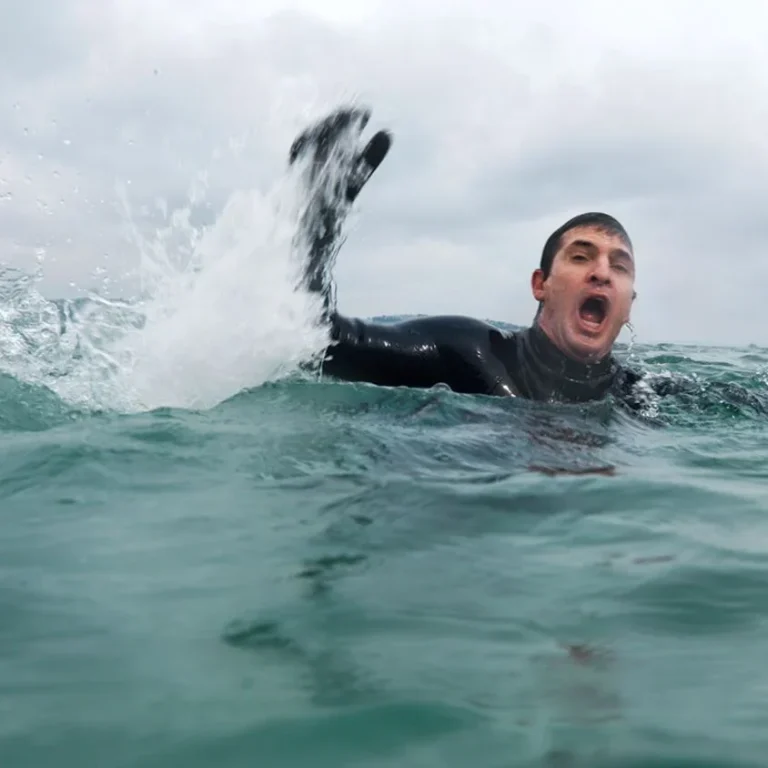
Train for Emergency Situations
Learn how lifeguards work within emergency procedures and practise responding when something goes wrong rather than only learning the theory.
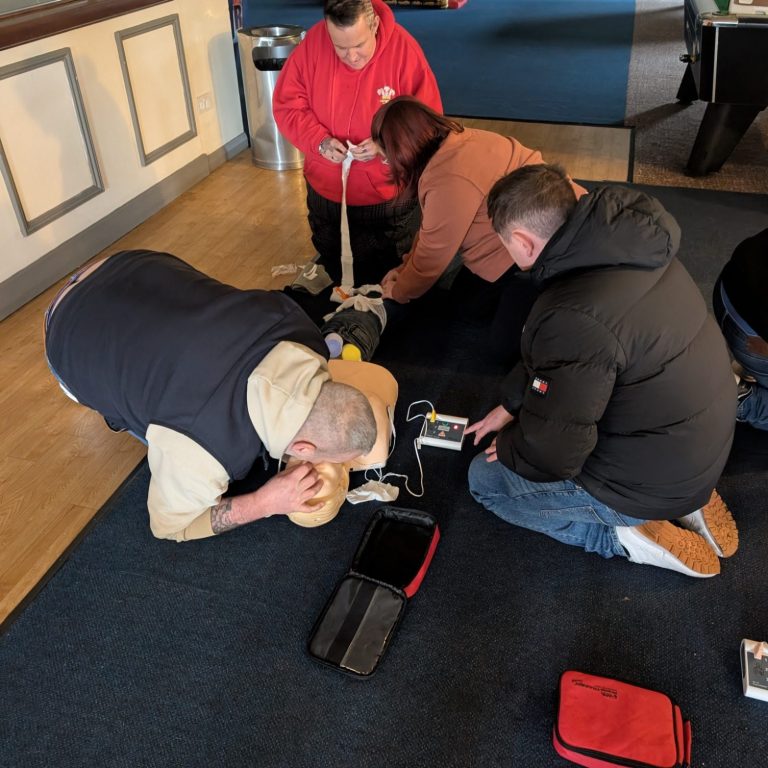
Learn CPR, AED & First Aid
Practise CPR, AED use and first aid, developing the skills needed when a pool incident becomes a medical emergency.
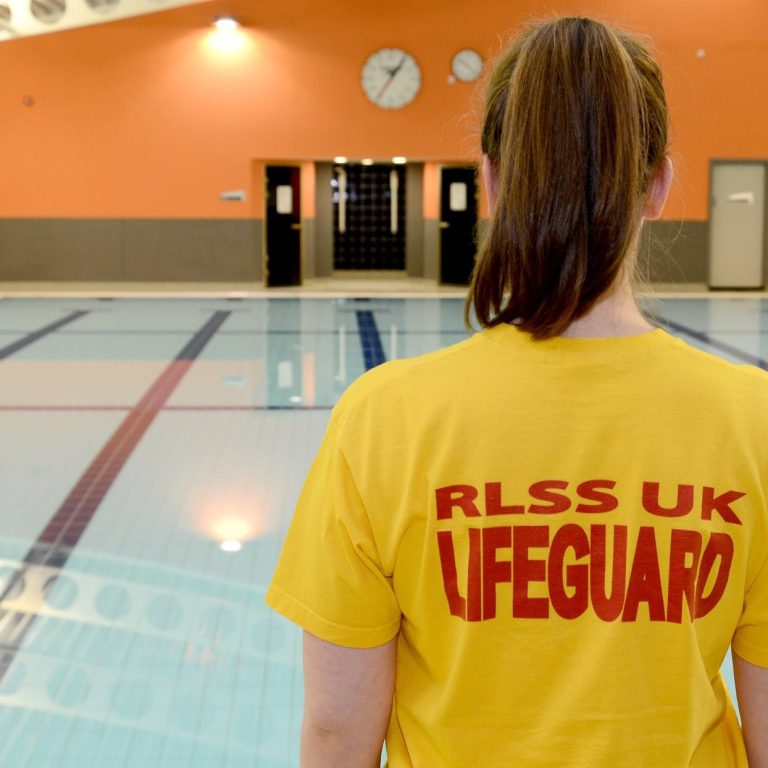
Build Confidence Through Practice
Skills improve through repetition. Throughout your ELS course you'll have opportunities to practise, receive feedback and develop your confidence before assessment.
Expect an Active Course
NPLQ isn't a course where you'll spend five days sitting behind a desk.
RLSS UK describes the qualification as physically demanding, including timed swimming, casualty lifting and diving to the deepest part of the pool.
Come prepared to swim, rescue, practise first aid, work as part of a team and get involved.
The more you put into your NPLQ training, the more prepared you'll be when it's your responsibility to watch the pool.
What Happens at the NPLQ Assessment?
At the end of your NPLQ training, you'll complete a final assessment to demonstrate that you have the knowledge, understanding and practical skills required to qualify as a pool lifeguard.
The assessment covers the skills and knowledge you've developed throughout the course. Candidates must successfully complete all required assessment elements to achieve the NPLQ
Practical Pool Assessment
You'll demonstrate the practical lifeguarding and rescue skills you've developed during training, showing that you can apply them effectively in the swimming pool environment.
Lifeguarding Theory Assessment
Your understanding of the NPLQ syllabus is also assessed, including the knowledge behind pool supervision, rescue and emergency response.
Practical First Aid & CPR Assessment
You'll demonstrate your ability to respond to casualties using the first aid and CPR skills covered during your NPLQ training.
Independent Assessment
Your final NPLQ assessment is there to confirm that you can demonstrate the required standard — which is why your training beforehand matters.
At ELS, we'll spend the course helping you practise, improve and understand your skills, so you arrive at assessment knowing what you've been taught and why it matters.
What Happens After I Pass My NPLQ?
Passing your NPLQ is the beginning of your journey as a lifeguard, not the end of your training.
Once qualified, you can start applying for pool lifeguard roles with leisure centres, swimming pools and other aquatic facilities, subject to individual employer requirements.
Your NPLQ is valid for two years, and during that time it's important to continue practising and developing the skills you learned during your course.
Regular ongoing training helps lifeguards maintain their confidence and competence in skills that, thankfully, they may not need to use very often in a real emergency. RLSS UK also requires 20 hours of relevant Continuing Professional Development (CPD) before an NPLQ renewal assessment.
Get Your First Lifeguard Job
Your NPLQ can open the door to your first role in the leisure industry.
For many candidates, lifeguarding provides part-time or flexible work alongside college, university or other commitments, while developing responsibility, teamwork and emergency response skills.
Keep Your Skills Current
Lifeguarding skills need to be practised.
Ongoing training can revisit pool rescue skills, CPR, first aid and lifeguarding theory, helping you maintain your knowledge and practical ability between assessments
Renew Your NPLQ
The NPLQ is valid for two years.
To renew, candidates normally need to complete the required ongoing training/CPD and successfully complete a renewal assessment before their qualification expires.
RLSS UK currently requires 20 hours of CPD within the previous two years before renewal.
Training the ELS Way
Every NPLQ course delivered by Elite Lifesaving Skills follows The ELS Standard™ — Understand. Teach. Practise. Prepare.
The NPLQ has a defined syllabus and assessment standard, but how candidates experience their training matters.
Our approach is designed to help candidates understand why lifeguards take certain actions, practise their skills repeatedly and build the confidence needed to apply their training when it matters.
Because on a real poolside, there isn't an assessor standing beside you telling you what comes next.
Looking for Different Pool Safety Training?
The NPLQ is designed for people training to become professional pool lifeguards, but not every swimming pool environment or team requires the same type of training.
Elite Lifesaving Skills also delivers specialist pool rescue and emergency response training for hotel pools, hydrotherapy environments and existing lifeguard teams.
Hotel Pool Emergency Response Training – SPERA
For hotels, spas and leisure facilities looking to prepare staff to respond effectively to swimming pool emergencies.
Our SPERA training develops practical skills in pool rescue, emergency response, CPR and first aid.
Hydrotherapy Pool Rescue Training – ATPRA
Specialist training for staff working around hydrotherapy and aquatic therapy pools, including SEN, rehabilitation and therapy environments.
ATPRA develops practical pool rescue, emergency response and casualty management skills for programmed aquatic activities.
Add Pool Extraction Board (PXB) Training
Need your lifeguards trained to use a Pool Extraction Board?
PXB training can be delivered as additional practical training alongside your NPLQ course, where appropriate, or arranged as a standalone training session for existing lifeguard teams.
Develop practical experience in board preparation, casualty management, teamwork and pool extraction techniques.
NPLQ Myths & Facts
The NPLQ isn't about being the fastest swimmer in the pool — it's about developing the knowledge, practical skills and responsibility required of a professional lifeguard.
01
MYTH
You Need to Be a Competitive Swimmer
FACT
You don't need to be a competitive swimmer, but you do need to meet the NPLQ swimming prerequisites and be comfortable completing a physically demanding course
02
MYTH
Once You Pass, Your Training Is Finished
FACT
Lifeguards should continue training after qualification. Your NPLQ is valid for two years, and relevant ongoing training/CPD is required for renewal..
03
MYTH
Lifeguarding Is Just a Student Job
FACT
Lifeguarding can be great flexible work, but it can also be the beginning of a career in leisure, pool supervision, management, lifesaving and training.
04
MYTH
The NPLQ Is Just About Swimming and Rescues
FACT
There's much more to being a lifeguard. NPLQ training also covers pool supervision, hazards, emergency response, CPR, AED and first aid.
Have More Questions About Lifeguard Training?
Looking for more information about lifeguard qualifications, training, course requirements or working as a lifeguard?
Visit our Lifesaving Training FAQs for answers to some of the most common questions we receive about NPLQ and lifesaving training.
Ready to Start Your Lifeguard Journey?
Whether you're looking for your first job, flexible work alongside your studies, or the beginning of a career in the leisure industry, your NPLQ could be the place it starts.
Train with Elite Lifesaving Skills and develop the knowledge, rescue skills, first aid ability and confidence needed to take your first step onto poolside.
NPLQ Lifeguard Training • London • Essex • Redbridge & Surrounding Areas
Already qualified? → View NPLQ Renewal Training