
Hydrotherapy Pool Rescue & Safety Training
RLSS UK Aquatic Therapy Pool Rescue Award (ATPRA)
Practical pool safety, rescue and emergency response training for aquatic therapists and support workers involved in programmed aquatic activities.
🛟 Pool Rescue & Supervision
❤️ CPR & First Aid
📋 Pool Safety & Risk Assessment
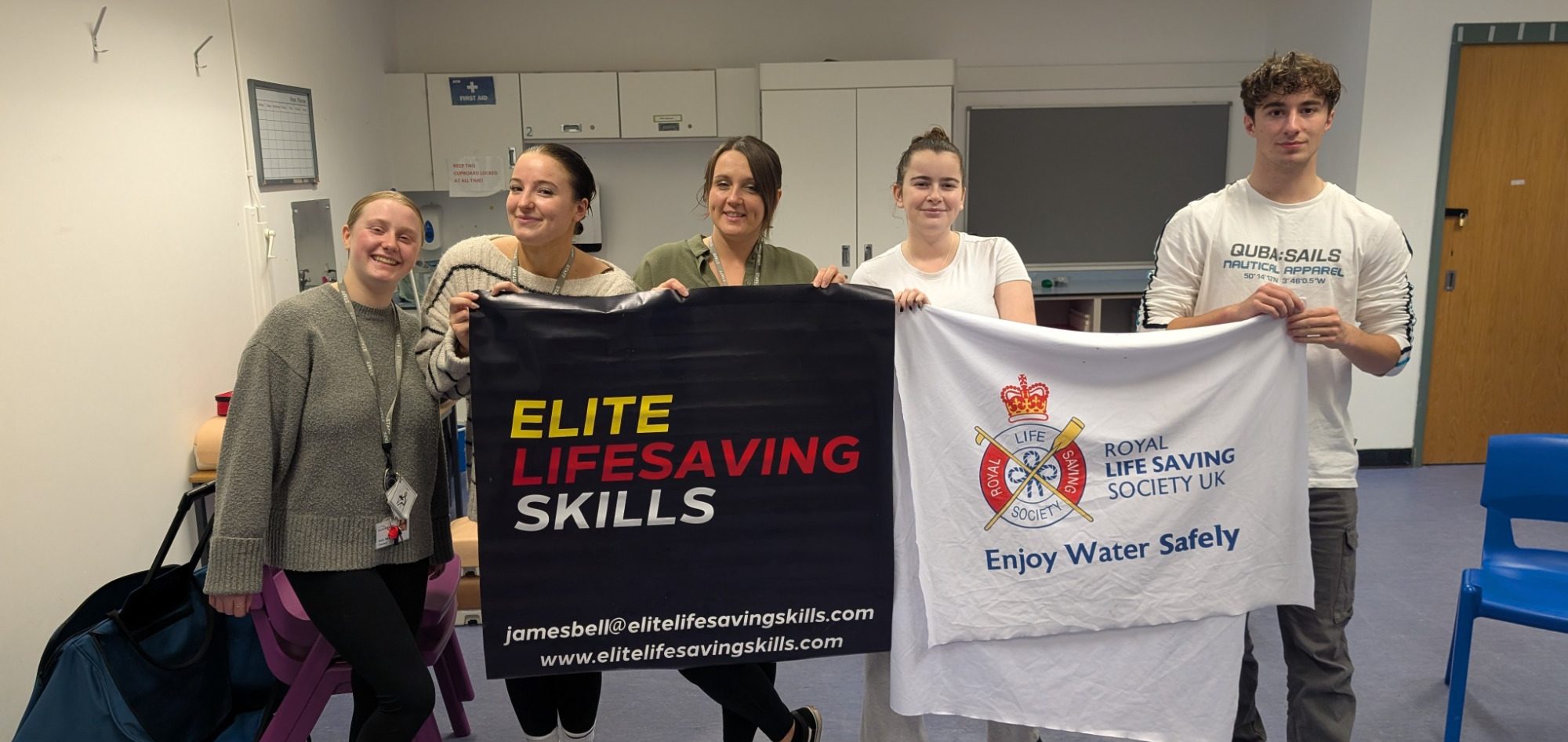
Is Your Hydrotherapy Pool Prepared for an Emergency?
A hydrotherapy or aquatic therapy pool can operate very differently from a traditional leisure swimming pool. Pool users may require additional support, assistance with mobility or help entering and leaving the water, while therapists and support workers may be directly involved in programmed aquatic activities.
If someone gets into difficulty, who responds?
Effective pool safety starts with understanding the environment, the needs of pool users and the emergency arrangements in place. Staff involved in aquatic therapy should understand their role, the pool's emergency procedures and how to respond safely when an incident occurs.
The RLSS UK Aquatic Therapy Pool Rescue Award (ATPRA) develops practical skills in pool safety, intervention, rescue, emergency action, CPR and first aid for aquatic therapists and support workers.
Elite Lifesaving Skills helps organisations turn those emergency arrangements into practical skills.

POOL RESCUE
Prepare staff to recognise and respond to a person in difficulty.
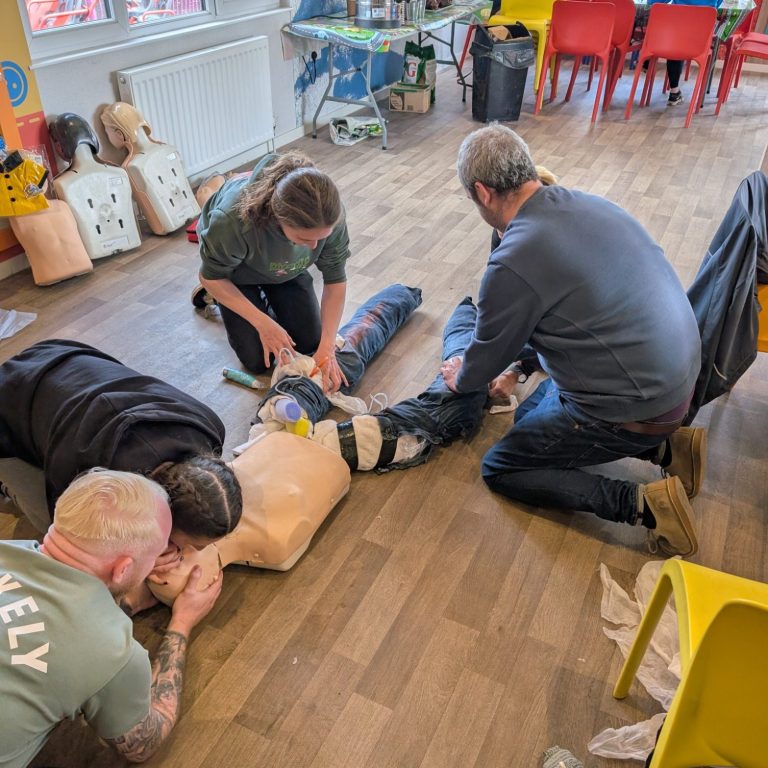
FIRST AID & CPR
Develop practical emergency first aid and resuscitation skills.
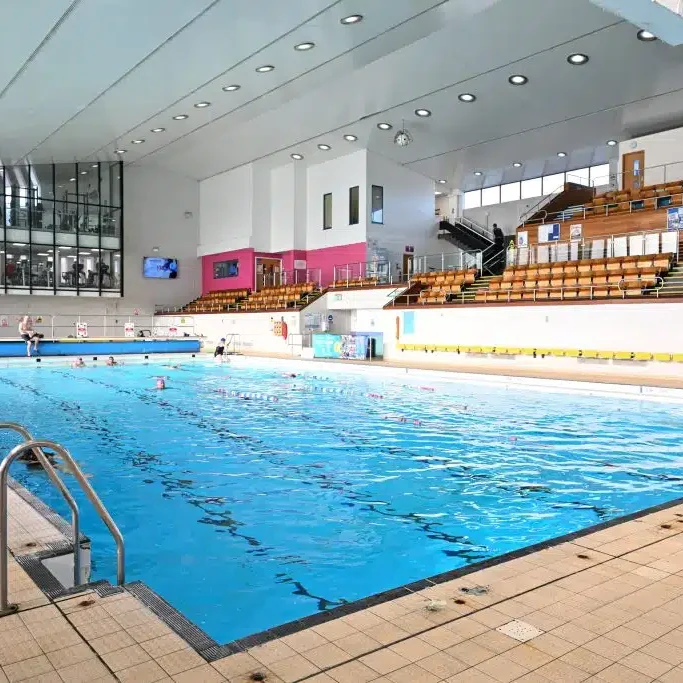
POOL HEALTH & SAFETY
Help staff understand their responsibilities, pool hazards, emergency procedures and the importance of following the venue's Pool Safety Operating Procedures.
Supporting Your Hydrotherapy Pool Health & Safety
Hydrotherapy and aquatic therapy pools can present different safety considerations from conventional swimming pools. Users may have reduced mobility, additional support needs or medical conditions that can affect how they enter, use and leave the water.
Pool safety arrangements should therefore consider the pool environment, activities taking place, needs of participants, level of supervision and how staff would respond during an emergency.
For schools, SEN settings, rehabilitation facilities and other organisations operating hydrotherapy pools, effective emergency planning may include clear staff responsibilities, appropriate rescue procedures, first aid arrangements and regular practice of emergency procedures.
The Aquatic Therapy Pool Rescue Award (ATPRA) helps aquatic therapists and support workers develop the practical supervision, intervention, rescue, CPR and first aid skills needed during programmed aquatic activities.
Training is one part of effective hydrotherapy pool health & safety.
ELS supports organisations by developing practical emergency-response skills among the people working directly with pool users.
Training should always form part of your wider risk assessment and emergency arrangements.
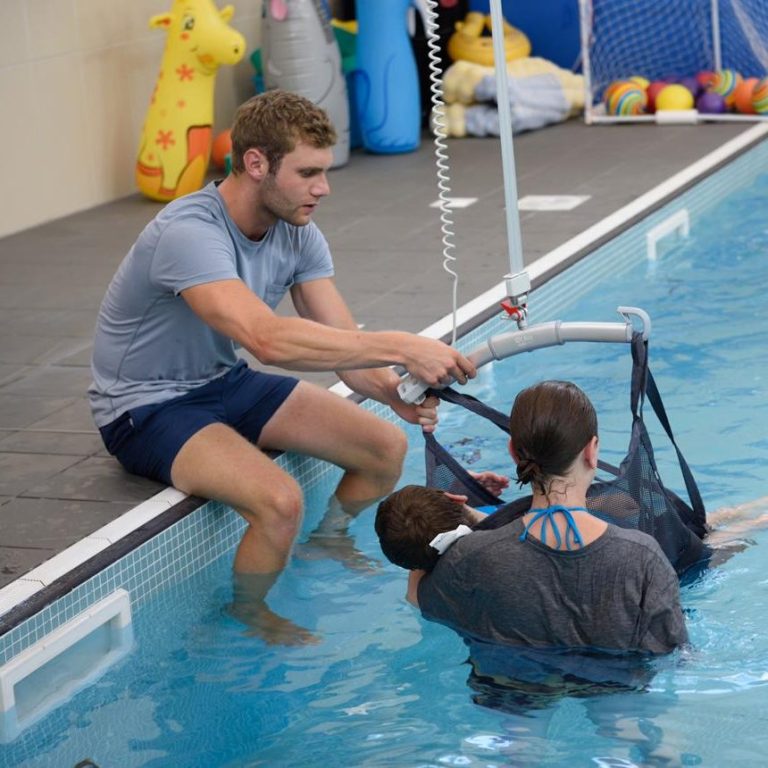
RLSS UK Aquatic Therapy Pool Rescue Award
Practical pool supervision and rescue training for aquatic therapists and support workers.
The Aquatic Therapy Pool Rescue Award (ATPRA) is an RLSS UK award designed for aquatic therapists and support workers working during programmed activities in aquatic therapy and hydrotherapy pools.
The award develops the knowledge and practical skills required to supervise activities, recognise problems, intervene appropriately and respond to an emergency in the pool environment.
This can be suitable across a variety of pool environments, including pools where the water is deeper than standing depth.
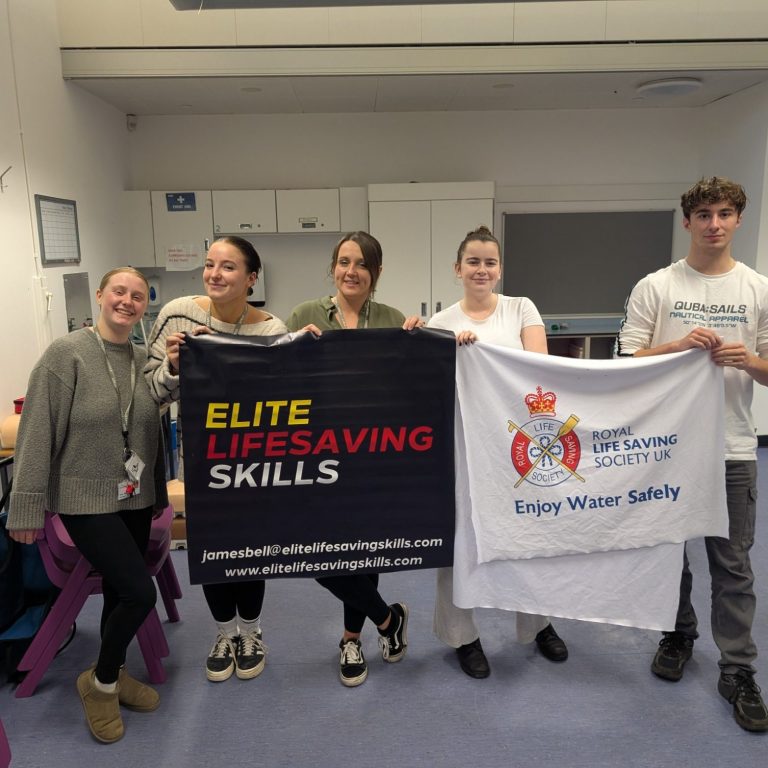
Pool Safety & Risk Assessment
Understanding the therapist's role, pool safety considerations, risk assessment and safe supervision during programmed aquatic activities.
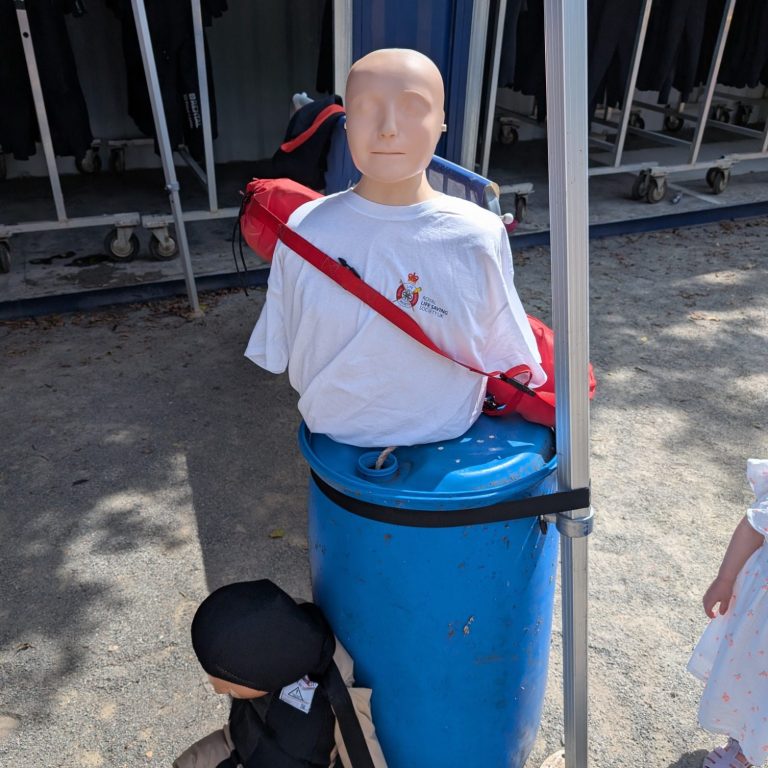
Intervention & Emergency Action
Developing practical intervention and rescue skills and understanding how to respond effectively during a pool emergency.

CPR & First Aid
Developing the CPR and first aid skills needed to respond when a casualty requires immediate emergency care.
Who Is ATPRA Training For?
The Aquatic Therapy Pool Rescue Award is designed for people involved in programmed aquatic therapy activities who may need to supervise participants or respond during a pool emergency.
ATPRA training may be relevant to organisations including:
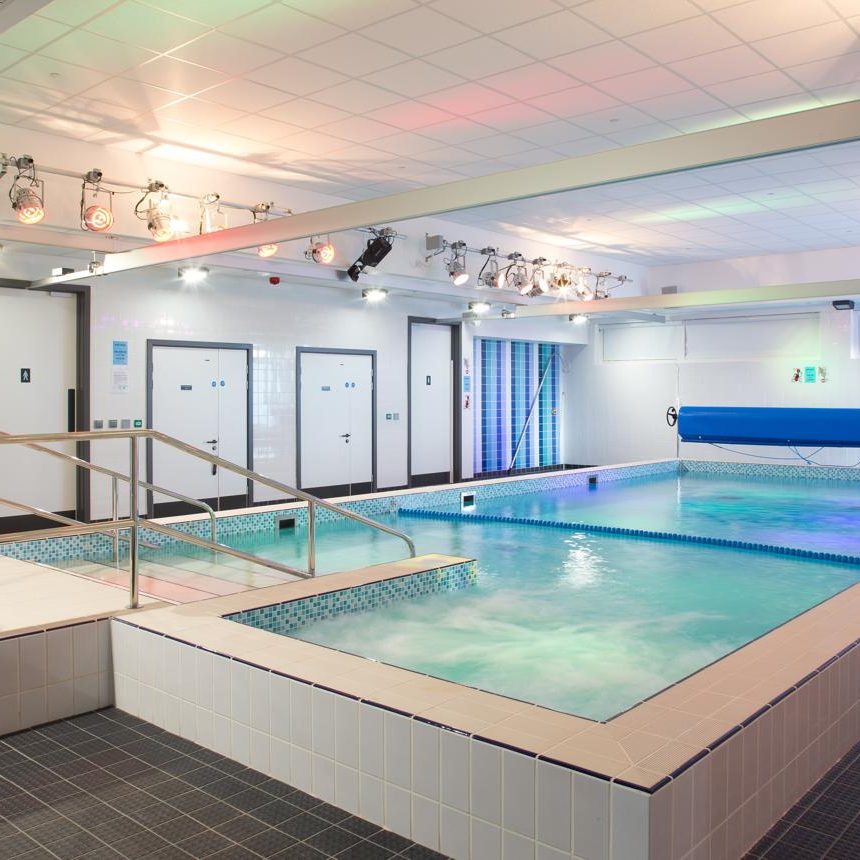
SEN Schools & Education Settings
Staff supporting pupils during programmed hydrotherapy and aquatic therapy activities.
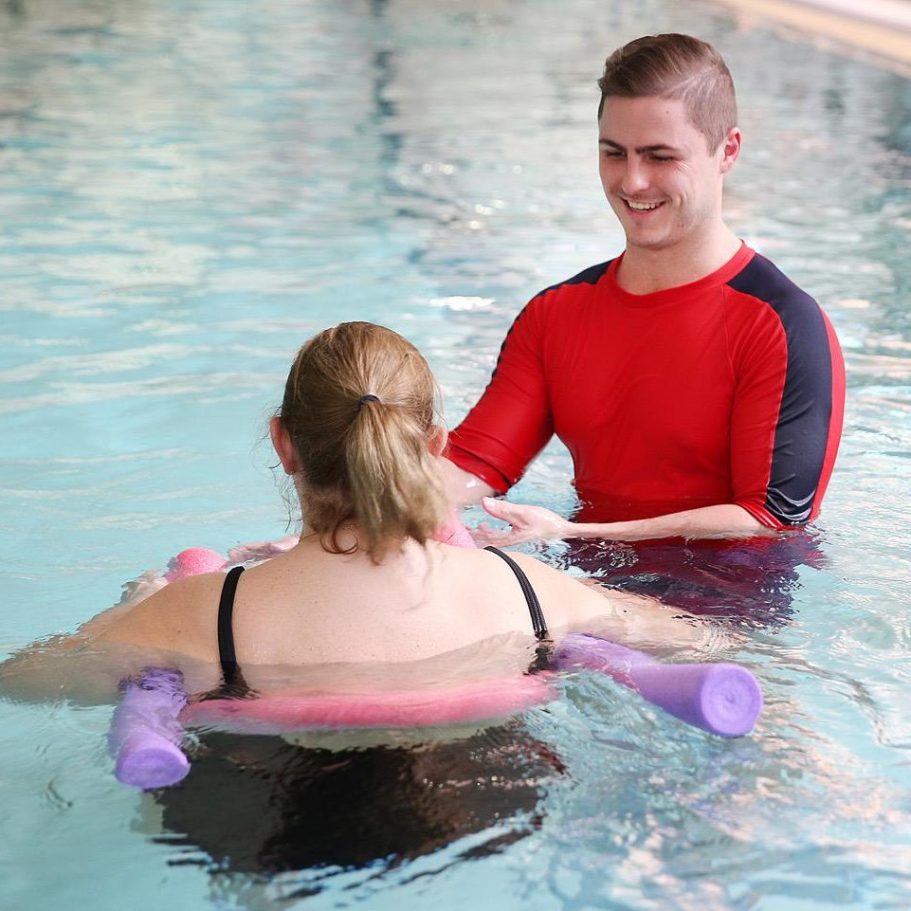
Hydrotherapy & Rehabilitation Facilities
Aquatic therapists and support workers working with people during rehabilitation or therapeutic pool sessions.
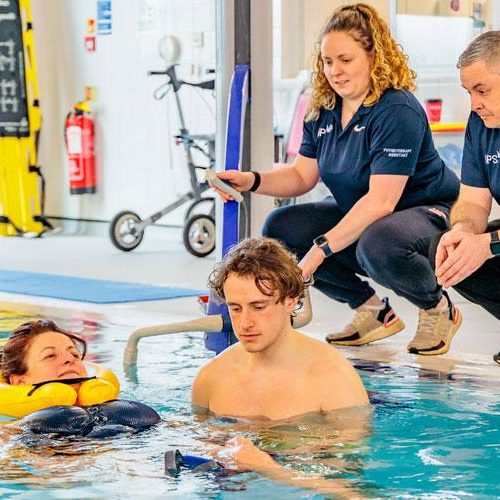
Healthcare & Therapy Settings
Teams involved in delivering or supporting programmed aquatic therapy activities within suitable pool environments.
Not sure whether ATPRA or ATPRA LIGHT
ELS can discuss your pool environment, staffing arrangements and existing emergency provision to help you identify the relevant training route.
Candidate prerequisites
For ATPRA, candidates must:
Be aged 16 or over at the time of assessment
Be able to regain their feet from a face-down floating position
Be able to regain their feet from a face-up floating position
Be able to surface dive to the deepest part of the pool
Be able to climb out of the pool unaided, without steps or ladders, where the venue design permits
More Than Hydrotherapy Pool Rescue Training
A hydrotherapy or aquatic therapy pool emergency can quickly become a first aid or medical emergency.
ELS can help schools, SEN settings, rehabilitation facilities and therapy organisations coordinate their pool emergency-response training alongside other essential workplace safety training.
Develop practical pool supervision, intervention, rescue and emergency-response skills for aquatic therapists and support workers involved in programmed aquatic activities.
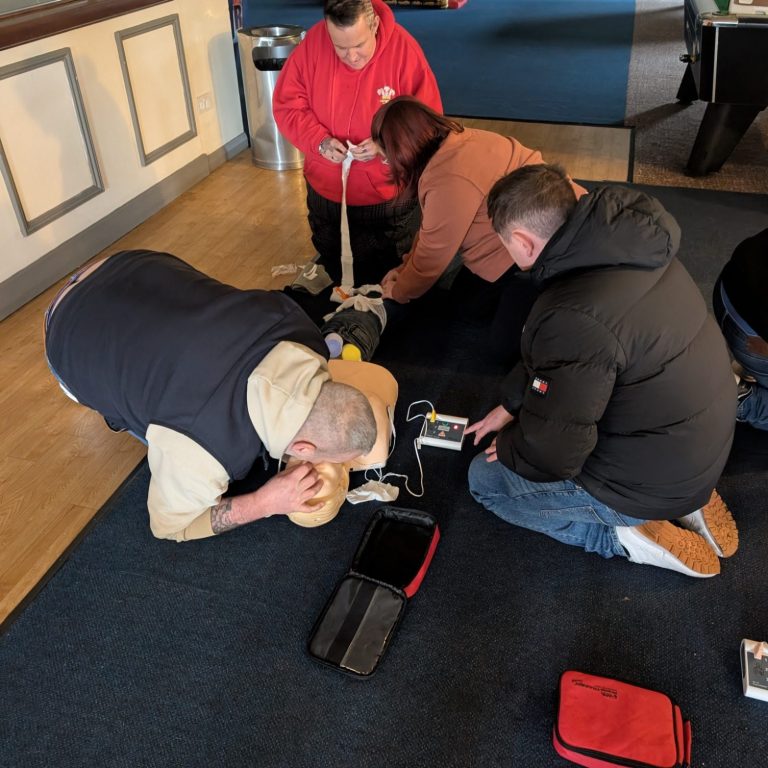
Prepare staff to respond to medical emergencies involving pupils, patients, service users, colleagues and visitors. Training covers a broad range of injuries and illnesses, with AED and additional skills available where appropriate.
Develop staff understanding of fire prevention, evacuation procedures and fire marshal responsibilities, helping teams respond appropriately during an emergency.
Need more than one course?
Need more than one course? ELS can build a tailored hotel training programme combining pool emergency response, first aid and fire safety around your team, venue and operational requirements.
Your Hydrotherapy Programme Doesn't Stop for Training
We understand that hydrotherapy and aquatic therapy pools operate around therapy sessions, pupils, patients, support staff and busy organisational schedules.
Where the qualification and assessment requirements allow, ELS will work with your team to plan training around your operation while ensuring the required learning, practical training and assessment are completed properly.
On-site delivery
Training can take place at your facility, allowing practical elements to relate directly to the hydrotherapy or aquatic therapy pool environment in which your team may actually have to respond.
Training Around Your Team
We can discuss candidate groups and training arrangements around therapy programmes, staffing requirements and the day-to-day operation of your facility.
Practical Venue-Focused Training
Where appropriate, training can reference your pool environment and existing emergency procedures, helping candidates relate their learning to the setting in which they actually work.
London & Essex
ELS provides on-site hydrotherapy pool rescue and RLSS UK ATPRA training for schools, SEN settings, rehabilitation facilities and organisations across London, Essex and surrounding areas
Looking for Other Pool Safety Training?
Hydrotherapy and aquatic therapy pools have specialist training needs, but ELS also provides lifesaving and emergency response training for lifeguarded swimming pools, hotels and other aquatic environments.
Explore our other pool safety training options to find the right course for your team.
Hotel Pool Emergency Response Training – SPERA
For hotels, spas and leisure facilities looking to prepare staff to respond effectively to swimming pool emergencies.
Our SPERA training develops practical skills in pool rescue, emergency response, CPR and first aid.
NPLQ Lifeguard Training
Need qualified pool lifeguards?
The RLSS UK National Pool Lifeguard Qualification (NPLQ) provides the training and assessment required for people looking to become professional pool lifeguards.
Add Pool Extraction Board (PXB) Training
Need your lifeguards trained to use a Pool Extraction Board?
PXB training can be delivered as additional practical training alongside your NPLQ course, where appropriate, or arranged as a standalone training session for existing lifeguard teams.
Develop practical experience in board preparation, casualty management, teamwork and pool extraction techniques.
Hydrotherapy Pool Safety — Myths & Facts
Understanding your hotel's responsibilities around swimming pool safety can be confusing. Here are some common misconceptions.
01
MYTH
ATPRA is only for physiotherapists.
FACT
ATPRA is designed for aquatic therapists and support workers involved in programmed aquatic activities. The appropriate training should reflect the individual's role and the facility's arrangements.
02
MYTH
Hydrotherapy pools are shallow, so specialist rescue training isn't necessary.
FACT
Pool depth alone doesn't remove the potential for an emergency. ATPRA develops supervision, intervention, rescue and emergency-response skills and can be used in pools where the water is deeper than standing depth.
03
MYTH
ATPRA and ATPRA LIGHT are basically the same course.
FACT
They are different training routes. ATPRA LIGHT may be considered where qualified lifeguards or first aiders are available to respond quickly and support the therapist or support worker during an emergency.
04
MYTH
Completing ATPRA means our hydrotherapy pool is automatically compliant.
FACT
Training is only one part of effective pool safety. Organisations should also consider their risk assessment, supervision arrangements, emergency procedures, pool environment and the needs of pool users.
Hydrotherapy Pool Rescue Training FAQs
What is the RLSS UK Aquatic Therapy Pool Rescue Award (ATPRA)?
ATPRA is a pool supervision and rescue award for aquatic therapists and support workers involved in programmed aquatic activities. It covers pool safety, emergency action, rescue, CPR and first aid.
Who is ATPRA training designed for?
ATPRA is designed for aquatic therapists and support workers working during programmed aquatic activities. This can include relevant staff working within hydrotherapy, aquatic therapy, rehabilitation and appropriate education environments.
How long does ATPRA training take?
The current RLSS UK ATPRA requires 12 hours of training plus assessment and can be delivered over two days.
What is the difference between ATPRA and ATPRA LIGHT?
ATPRA provides the fuller supervision and rescue award. ATPRA LIGHT may be considered where qualified lifeguards or first aiders are available to respond quickly and support the therapist or support worker during an emergency.
Still Unsure Which Hydrotherapy Pool Training Is Right for Your Team?
Tell ELS about your hydrotherapy or aquatic therapy pool, staff roles and existing emergency arrangements, and we'll discuss the most appropriate training options for your organisation.
ATPRA • ATPRA LIGHT • First Aid • Emergency Response Training