
Why Strong Swimmers Still Drown | Water Safety Advice for Families
"My child can swim."
It's one of the most reassuring things a parent can say.
Unfortunately, swimming ability alone does not guarantee safety around water.
Every year, experienced and confident swimmers get into difficulty in rivers, lakes, the sea and even swimming pools.
Understanding the risks is one of the most important steps in staying safe around water.
Swimming Ability Does Not Equal Water Competence
Many children and adults learn to swim in warm, supervised swimming pools.
While this builds confidence and an important life skill, open water presents very different challenges.
A swimmer who can comfortably swim lengths in a pool may struggle with:
- Cold water temperatures.
- Waves and currents.
- Swimming whilst wearing clothes.
- Reduced visibility.
- Panic or unexpected situations.
Water conditions can change quickly, and even experienced swimmers can find themselves in difficulty.
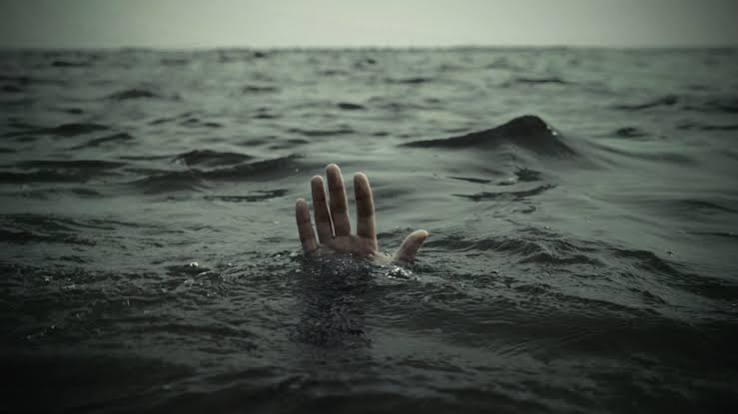
What dose drowning look like ?
Cold Water Shock Can Affect Anyone
One of the biggest dangers in UK waters is cold water shock.
Even during the summer holidays, rivers, lakes and the sea can remain surprisingly cold.
Sudden immersion in cold water can cause:
- An involuntary gasp reflex.
- Rapid breathing and hyperventilation.
- Panic and confusion.
- Loss of swimming ability.
This can happen to anyone, regardless of age or swimming ability.
Fatigue Happens Faster Than People Expect
Strong swimmers can become tired surprisingly quickly.
This is especially true when:
- Swimming against currents.
- Covering longer distances than expected.
- Wearing clothes in the water.
- Attempting to help another person.
- Swimming in rough conditions.
Exhaustion can affect decision-making and make it difficult to return to safety.
Injuries Can Happen In The Water
Even strong swimmers can get into difficulty if they become injured.
Examples include:
- Cramp.
- Collisions with other swimmers.
- Diving injuries.
- Medical emergencies.
- Impact with hidden objects underwater.
A small injury can quickly become a serious situation in the water.
Water Conditions Matter
Open water introduces risks that swimming pools do not.
These include:
- Currents.
- Tides.
- Sudden changes in depth.
- Underwater obstacles.
- Poor visibility.
Respect for the environment is one of the most important water safety skills anyone can develop.
Strong Swimmers Need Water Safety Too
One of the biggest misconceptions around water safety is that drowning only happens to weak or inexperienced swimmers.
Unfortunately, this isn't true.
Strong swimmers can become tired, injured or overwhelmed by the conditions around them.
Water does not care how good a swimmer someone is.
How Families Can Stay Safer Around Water
Simple steps can make a huge difference:
- Continue supervising children, even if they are strong swimmers.
- Choose lifeguarded beaches and supervised swimming areas where possible.
- Teach children about the Float to Live technique.
- Respect warning signs and local safety advice.
- Plan entry and exit points before entering the water.
- Carry a mobile phone in a waterproof pouch when appropriate.
- Use What3Words to help emergency services find your location quickly if needed.
What To Do If Someone Gets Into Difficulty
- Call for help immediately.
- Dial 999 in an emergency.
- Ask for the Coastguard if the incident is at the coast.
- Use a reach or throw rescue where possible.
- Avoid entering the water unless trained and equipped to do so safely.
Many rescuers become casualties themselves by entering the water without the correct training or equipment.
Final Thoughts
Confidence in the water is a fantastic skill to have.
But confidence should always be matched with respect for the environment and an understanding of the risks.
The strongest swimmers are often the most confident around water.
Sometimes that confidence can become complacency.
This summer, enjoy the water, but remember: