
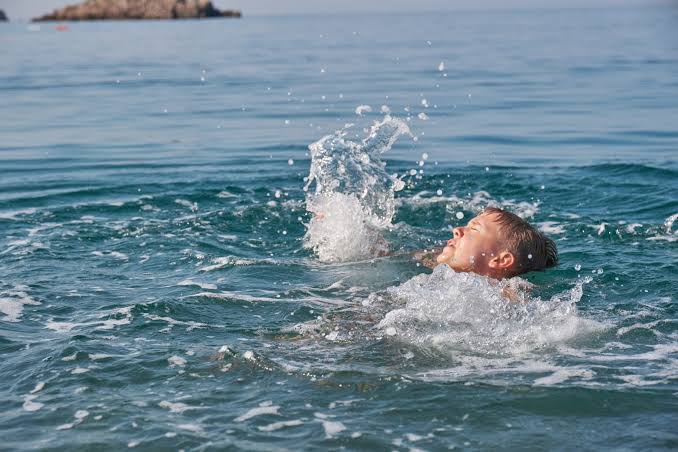
What Does Drowning Actually Look Like?
Would You Recognise The Signs?
When most people think of drowning, they imagine shouting, splashing and waving arms.
The reality is often very different.
Drowning is usually silent and can happen quickly, often within only a few metres of parents, lifeguards or other swimmers.
Would you recognise the signs if someone around you was in trouble?
Why Is Drowning Often Silent?
A person struggling in the water is focused entirely on breathing.
This means they are often unable to shout for help or wave their arms as many people expect.
Instead, they instinctively push down on the water in an attempt to keep their mouth above the surface.
For children especially, this can happen very quickly and with very little noise.
Signs Someone May Be Drowning
Here is a video showing just how quickly drowning can happen, even in what appears to be a safe and supervised environment. watch here
Please remember that the purpose of sharing this video is education and awareness, not to cause alarm. Understanding what drowning really looks like could help you recognise an emergency sooner and potentially save a life.
Look out for:
- Head low in the water with the mouth at water level.
- Nose and mouth tilted upwards towards the sky as they struggle to breathe.
- Glassy or unfocused eyes.
- Hair covering the face or eyes.
- Gasping or hyperventilating.
- Trying to climb an invisible ladder.
- Arms pushing down on the water rather than waving for help.
- Vertical body position with little or no kicking.
- Suddenly becoming quiet in the water.
- A swimmer who appears to stop making progress or looks exhausted.
If something doesn't look right, it probably isn't.
Strong Swimmers Can Drown Too
One of the biggest misconceptions around water safety is that drowning only happens to weak or inexperienced swimmers.
Unfortunately, this isn't true.
Even strong swimmers can get into difficulty if they become:
- Tired or exhausted.
- Injured whilst swimming.
- Affected by cold water shock.
- Caught in currents or moving water.
- Overconfident in unfamiliar environments.
This is particularly important in open water, where cold temperatures, currents and underwater hazards can quickly turn a routine swim into an emergency.
Water does not care how good a swimmer someone is.
Respecting the environment, knowing your limits and planning ahead are some of the best ways to stay safe.
Children Are Particularly Vulnerable
Children can slip beneath the surface quickly and quietly.
Many incidents occur when adults believe someone else is watching or when attention is briefly diverted by phones or conversations.
This is why active supervision is one of the most important water safety measures families can take.
Stay Close, Stay Focused
For younger children and weaker swimmers:
- Stay within arm's reach.
- Avoid distractions such as mobile phones.
- Nominate a dedicated Water Watcher when supervising in groups.
- Choose lifeguarded swimming areas whenever possible.
Remember:
Phones can wait. Emergencies cannot.
What Should You Do If Someone Is In Trouble?
- Call for help immediately.
- Dial 999 in an emergency.
- Ask for the Coastguard if the incident is at the coast or on the sea.
- If possible, provide your exact location using What3Words to help emergency services find you quickly.
- Use a reach or throw rescue where possible.
- Never enter the water unless trained and it is safe to do so.
Many rescuers become casualties themselves by entering the water without equipment or training.
Looking For Somewhere Safe To Swim This Summer?
When planning family days out, consider locations that offer:
- Qualified lifeguard supervision.
- Clearly marked swimming areas.
- Safety information and signage.
- Easy access to emergency assistance.
Lifeguarded beaches and supervised swimming pools can provide additional reassurance for families and help create safer experiences around water.
Final Thoughts
Drowning rarely looks like it does in films or television.
Understanding the signs could help you recognise an emergency sooner and potentially save a life.
Taking a few minutes to learn about water safety today could make all the difference tomorrow.